





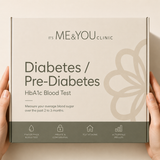


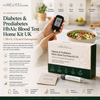
HbA1c blood test home kit UK
Diabetes and Prediabetes HbA1c Blood Test Home Kit UK
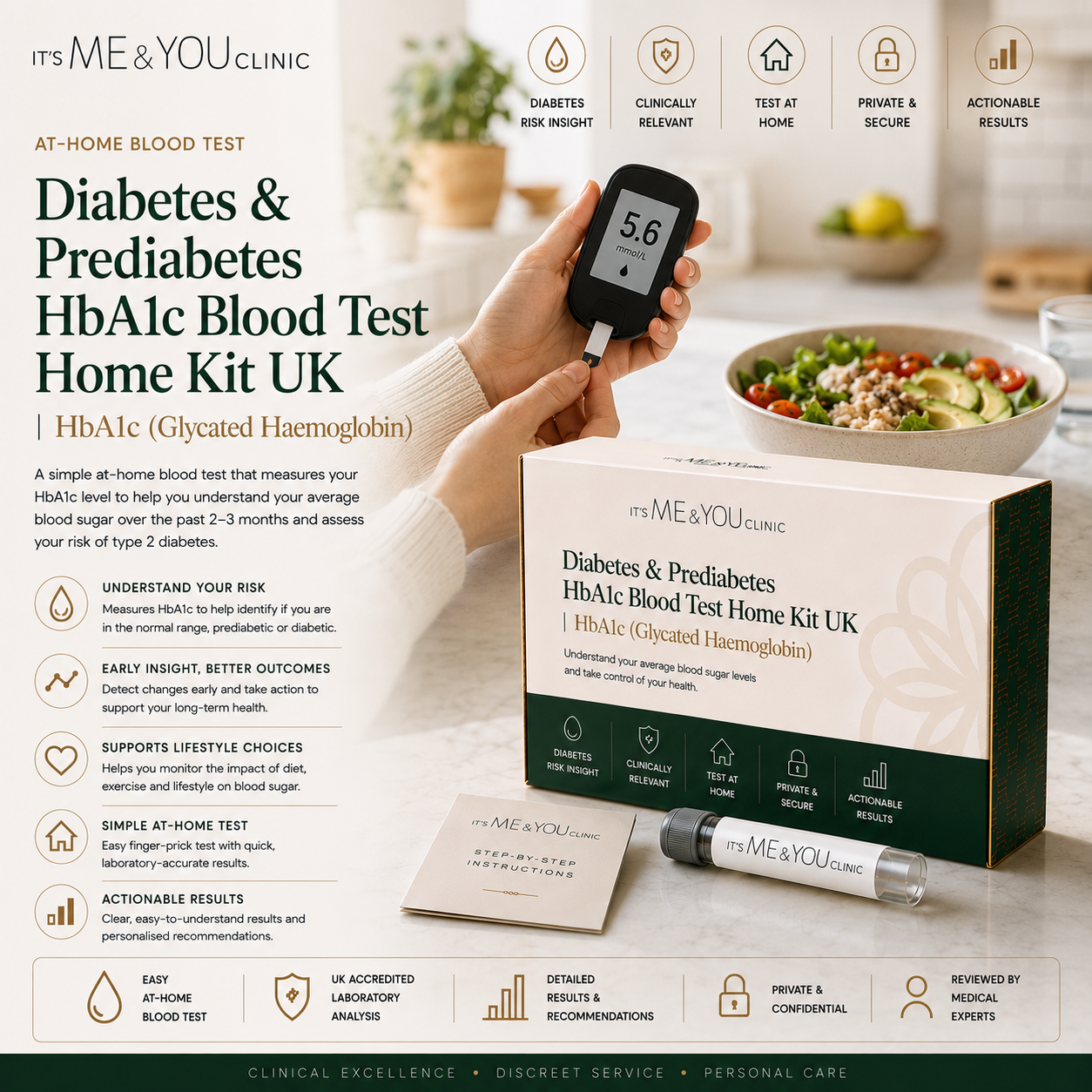
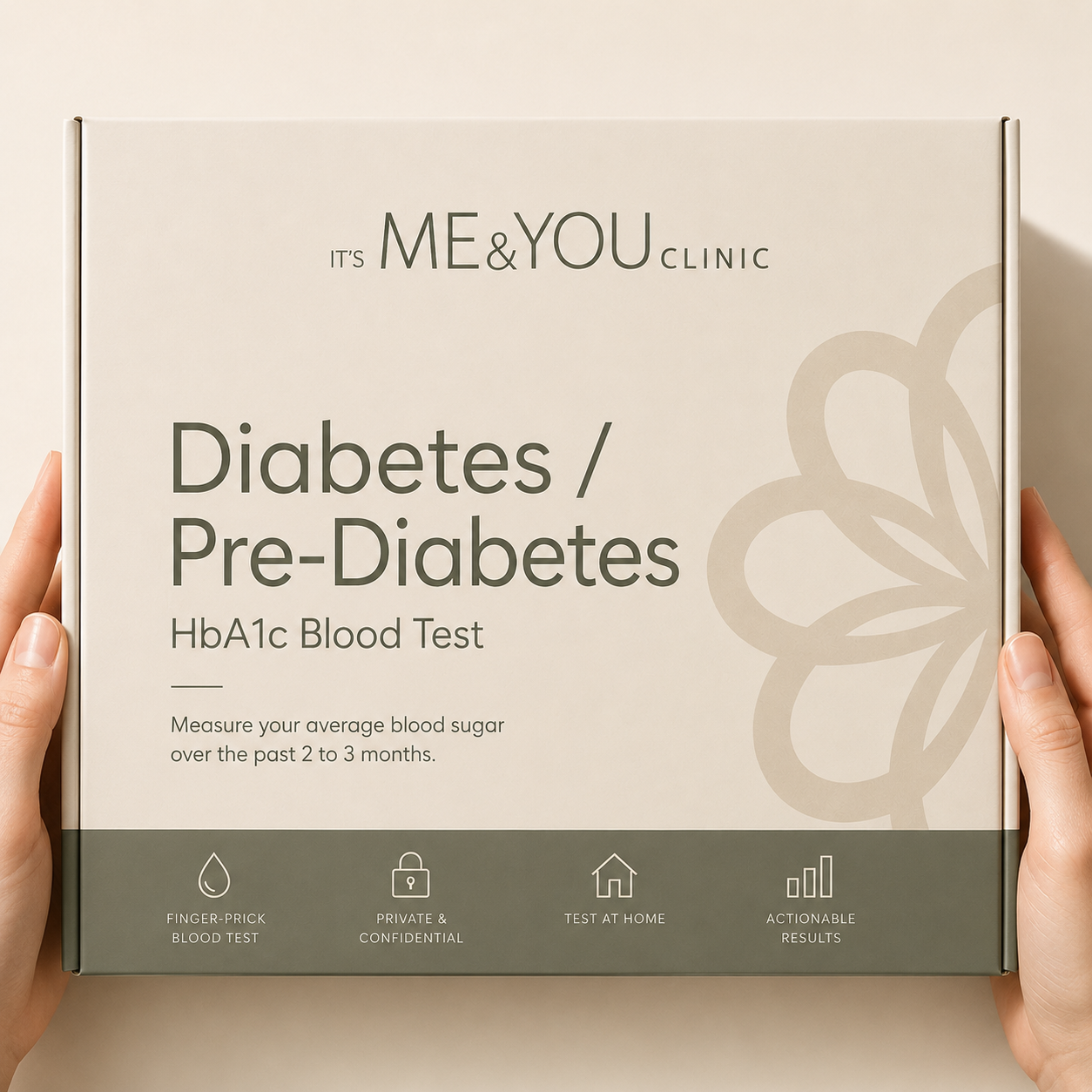
A focused home blood test measuring glycated haemoglobin, known as HbA1c, to estimate average glucose exposure over approximately the previous 2 to 3 months.
One marker, two different uses: the same HbA1c result can support type 2 diabetes risk assessment in someone without a diagnosis or help monitor longer term glucose control in someone already living with diabetes. Those pathways must not be interpreted in the same way.
From circulating glucose to a longer term marker
What HbA1c actually measures
When this focused test may help
Reasons to consider an HbA1c test
- A clinician has suggested type 2 diabetes risk assessment
- There is a family history or another recognised risk factor
- A previous glucose or HbA1c result was above the preferred range
- There are possible type 2 diabetes symptoms without acute illness
- Longer term glucose control is being monitored after a confirmed diagnosis
- A repeat result has been requested after lifestyle or treatment changes
- Symptoms have developed quickly or type 1 diabetes is possible
- There is vomiting, abdominal pain, deep breathing, drowsiness or severe dehydration
- The person is pregnant or may have gestational diabetes
- A child or young person has symptoms of diabetes
- There has been recent major blood loss, transfusion or significant anaemia
- Any symptom is severe, rapidly worsening or feels urgent
The same number can answer a different question
Screening and monitoring must stay separate
No previous diabetes diagnosis
The result may indicate that glucose exposure is below the high risk threshold, within the UK high risk range, or within a range that can indicate diabetes. A result at or above the diagnostic threshold needs clinical review and, when there are no symptoms, usually confirmation with repeat testing.
Known diabetes
The result is compared with an individual treatment target agreed with the diabetes team. A value that indicates diabetes in an undiagnosed person may represent good, acceptable or inadequate control in someone already receiving treatment, depending on the target and risk of hypoglycaemia.
UK screening thresholds
HbA1c result guide for someone without diagnosed diabetes
A low HbA1c can occur with a genuinely lower average glucose, but it can also be produced by shortened red blood cell survival, blood loss, haemolysis, transfusion or treatment related hypoglycaemia.
Discuss an unexpectedly low result, especially when taking insulin or medicines that can cause low blood glucose.The result is below the UK high risk threshold used for type 2 diabetes risk identification.
Persistent thirst, frequent urination, unexplained weight loss or other symptoms still require assessment. HbA1c is not a rule out test for type 1 diabetes.This range indicates a high risk of progressing to type 2 diabetes. It is commonly called prediabetes, although it is not an inevitable progression.
Arrange clinical review for cardiovascular risk factors, weight, blood pressure, family history, medicines and access to evidence based diabetes prevention support.This result can indicate diabetes when the test and person are suitable for HbA1c diagnosis.
Seek prompt clinical review. In an asymptomatic person, a second diagnostic test is generally required. With symptoms, assessment should not be delayed.Do not relabel the result as normal, prediabetic or diabetic. Compare it with the personalised target agreed for treatment and with the risk of hypoglycaemia.
Do not change insulin or glucose lowering medicines from a home result without advice from the diabetes care team.Why a diagnosis may need confirmation
HbA1c is evidence, not a stand alone label
When an adult has no symptoms, a result at or above 48 mmol/mol is normally confirmed with a repeat HbA1c or another diagnostic glucose test. A clinician also considers whether the assay is appropriate, whether a red blood cell condition could distort the result, and whether the clinical picture fits type 2 diabetes.
Glucose testing may answer a different question
Fasting plasma glucose, random plasma glucose or an oral glucose tolerance test may be required when symptoms are present, pregnancy is involved, glucose has risen rapidly or HbA1c may be unreliable.
Situations that can alter accuracy or suitability
When HbA1c may not tell the whole story
Symptoms need their own pathway
Do not wait when diabetes may be acute
- Passing urine more often, especially at night
- Persistent thirst
- Unexplained weight loss
- Marked tiredness or blurred vision
- Genital itching, recurrent thrush or slow wound healing
- Vomiting, abdominal pain, deep breathing, fruity breath, drowsiness or confusion
Urgent glucose and ketone assessment is more important than HbA1c
Rapid symptoms, weight loss, vomiting, abdominal pain, deep breathing, severe dehydration, drowsiness or confusion require urgent medical assessment. Call 999 when the person is severely unwell.
No fasting required
How to prepare and collect
Check suitability
Review symptoms, pregnancy, recent blood loss, transfusion, anaemia, haemoglobin conditions and whether urgent glucose testing is needed instead.
Register the kit
Use the supplied identifiers so the sample and secure report are matched correctly.
Do not fast
Eat and drink normally unless another test requires different preparation. Record relevant medicines and diabetes treatment.
Collect capillary blood
Warm the hands and fill the microtainer to the stated line using the supplied finger prick instructions.
Return promptly
Use the supplied packaging and dispatch timing so sample stability is protected.
Choose the correct pathway
Interpret the result as risk assessment for someone without diabetes or against an individual target for someone with diagnosed diabetes.
After a high risk result
Risk reduction should be supported and individual
A result between 42 and 47 mmol/mol is an opportunity for structured prevention rather than blame. The next discussion may cover weight where relevant, diet quality, physical activity, sleep, smoking, blood pressure, cholesterol, medicines, family history and access to an NHS diabetes prevention programme.
Type 2 diabetes risk is not explained by sugar intake alone
Age, family history, ethnicity, body fat distribution, activity, sleep, medicines and other metabolic factors all contribute. Advice should be realistic, culturally appropriate and medically safe.
Medical and editorial governance
Clinical oversight and advisory contributors
This page has been rebuilt from the supplier description supplied by the user and checked against the current UK medical and pathology references listed below. The exact final version should complete the clinic’s documented medical approval process before publication.
 Dr Laura GeigeMedical Director, Senior Practitioner and Skin ExpertPage reviewer
 Dr Giedre NarkieneMedical Doctor, Board Certified Dermatologist and Advisory Board MemberAdvisory contributor
 Veronika MatutyteMedical Doctor, Healthcare Management Expert and Advisory Board MemberPage reviewer
 Dr Snieguole GeigeAesthetic Dentist, Medical Doctor and Advisory Board MemberAdvisory contributor
 Dr Rimas GeigaMedical Doctor, Nutritional Sciences Adviser and Advisory Board MemberPage reviewer
It’s Me & You Clinic in Kingston upon Thames
Private context for an HbA1c result
The clinic provides a local setting for discussing whether a result represents type 2 diabetes risk, possible diabetes or progress against an existing treatment target, and whether repeat HbA1c, glucose testing, cardiovascular assessment or GP care is appropriate.
Clinic details
Office 7, Siddeley House
50 Canbury Park Road
Kingston upon Thames KT2 6LX
Questions before ordering
HbA1c diabetes and prediabetes test FAQs
What does an HbA1c blood test measure?
It measures glycated haemoglobin and estimates average blood glucose exposure over roughly the previous 2 to 3 months.
Do I need to fast?
No. HbA1c is not a fasting test. Follow the kit instructions and drink normally unless another test is being collected at the same time.
What HbA1c result indicates prediabetes?
In UK guidance, 42 to 47 mmol/mol indicates a high risk of developing type 2 diabetes and is commonly described as prediabetes.
What HbA1c result indicates diabetes?
A result of 48 mmol/mol or above can indicate diabetes. An asymptomatic person usually needs clinical confirmation and assessment before diagnosis.
Can HbA1c diagnose type 1 diabetes?
No. Suspected type 1 diabetes needs prompt glucose and ketone assessment and should not wait for an HbA1c home test.
Can I use the test during pregnancy?
HbA1c is not the standard diagnostic test for gestational diabetes and should not be used to diagnose diabetes during pregnancy. Contact maternity or primary care services.
Why might an HbA1c result be misleading?
Anaemia, recent blood loss or transfusion, haemoglobin variants, altered red blood cell survival, kidney disease and some treatments can change the result independently of glucose.
Does a normal result rule out diabetes?
No. Rapidly developing diabetes, type 1 diabetes and some conditions affecting red blood cells may not be reflected accurately. Symptoms still require assessment.
Can the test detect low blood sugar episodes?
No. HbA1c is an average and cannot show daily glucose swings or individual hypoglycaemic episodes.
Can I change diabetes medicines from this result?
No. Do not alter insulin or glucose lowering medicine without advice from the clinician responsible for your diabetes care.
Current UK medical and pathology references
Sources used to check this page
- NICE: Type 2 diabetes prevention in people at high risk
- NICE CKS: Diagnosis of type 2 diabetes in adults
- NICE: Type 2 diabetes blood glucose management
- NHS Scotland: Testing for prediabetes
- Gloucestershire Hospitals: Haemoglobin A1c
- Diabetes UK: What is HbA1c
- Diabetes UK: Signs and symptoms of diabetes
- NHS: Type 2 diabetes symptoms
This page provides general information about HbA1c. It does not diagnose diabetes, determine diabetes type or provide a personal treatment plan. Do not delay urgent care while waiting for a kit or result. Call 999 for a medical emergency. Use NHS 111 or an appropriate clinician for urgent concerns that are not immediately life threatening. Do not start, stop or alter insulin or prescribed glucose lowering treatment solely because of a home result.