What Are Polynucleotides? Complete Guide in Kingston, London

What Are Polynucleotides? Complete Guide in Kingston, London
What Are Polynucleotides?
Polynucleotides have quickly become one of the most talked about treatments in regenerative aesthetics. Often described as the next generation of skin rejuvenation treatments, they are increasingly being chosen by patients looking for natural looking improvements in skin quality, hydration and overall skin health.
Unlike treatments that focus primarily on adding volume or altering facial contours, Polynucleotides work differently. They support the skin's natural repair processes and encourage healthier looking skin from within.
At It's Me & You Aesthetics Skin Clinic in Kingston, we regularly see patients from Kingston, Surbiton, Richmond, Wimbledon, Twickenham, Esher, Walton on Thames, Cobham and throughout London who want to understand what Polynucleotides are and whether they may be suitable for their skin concerns.
As awareness grows, many patients are hearing about Polynucleotides through social media, beauty publications and recommendations from friends, but are often unsure how the treatment actually works.
This guide explains everything you need to know about Polynucleotides, including how they work, potential benefits, treatment areas, recovery, expected results and frequently asked questions.
Understanding Polynucleotides
Polynucleotides are regenerative injectable treatments designed to improve skin quality and support tissue repair.
Rather than functioning as a traditional filler, Polynucleotides work by creating an environment that supports the skin's natural regenerative processes.
The treatment focuses on improving skin health rather than changing facial shape.
This makes Polynucleotides particularly appealing to patients who want:
-
Natural looking results
-
Improved skin quality
-
Better hydration
-
Healthier skin
-
Long term skin rejuvenation
-
Subtle enhancement
The treatment fits within a growing trend towards regenerative aesthetics, where the goal is to improve skin function and quality rather than simply mask signs of ageing.
Why Are Polynucleotides So Popular?
Modern aesthetic patients are becoming increasingly interested in treatments that enhance the skin itself.
Many people no longer want obvious cosmetic procedures that dramatically alter facial appearance.
Instead, they often seek:
-
Fresher looking skin
-
Improved texture
-
Better hydration
-
Enhanced skin elasticity
-
Healthy ageing support
Polynucleotides align closely with these goals.
The treatment aims to improve the overall condition of the skin while maintaining completely natural facial expressions and features.
How Do Polynucleotides Work?
Polynucleotides support skin rejuvenation by encouraging an environment that promotes tissue repair and skin renewal.
Over time, this may contribute to improvements in:
-
Skin quality
-
Skin texture
-
Hydration
-
Elasticity
-
Overall skin appearance
Because the treatment works with the body's natural biological processes, results develop gradually.
This is one of the reasons many patients appreciate Polynucleotides. Improvements often appear subtle, progressive and natural rather than sudden or dramatic.
What Skin Concerns Can Polynucleotides Address?
Polynucleotides are commonly chosen by patients seeking support for a variety of skin concerns.
Dull Skin
Many individuals seek treatment when their complexion appears tired, uneven or lacking radiance.
Dehydrated Skin
Improved hydration is one of the most frequently reported benefits.
Fine Lines
Patients often explore Polynucleotides as part of a broader skin rejuvenation strategy.
Skin Quality Changes
The treatment is popular among individuals who want healthier, stronger and more resilient skin.
Age Related Skin Changes
As collagen and elastin levels naturally decline, skin quality often changes.
Many patients seek regenerative treatments to support healthy ageing.
What Areas Can Be Treated?
One of the reasons Polynucleotides have become so versatile is that they can be used in multiple treatment areas.
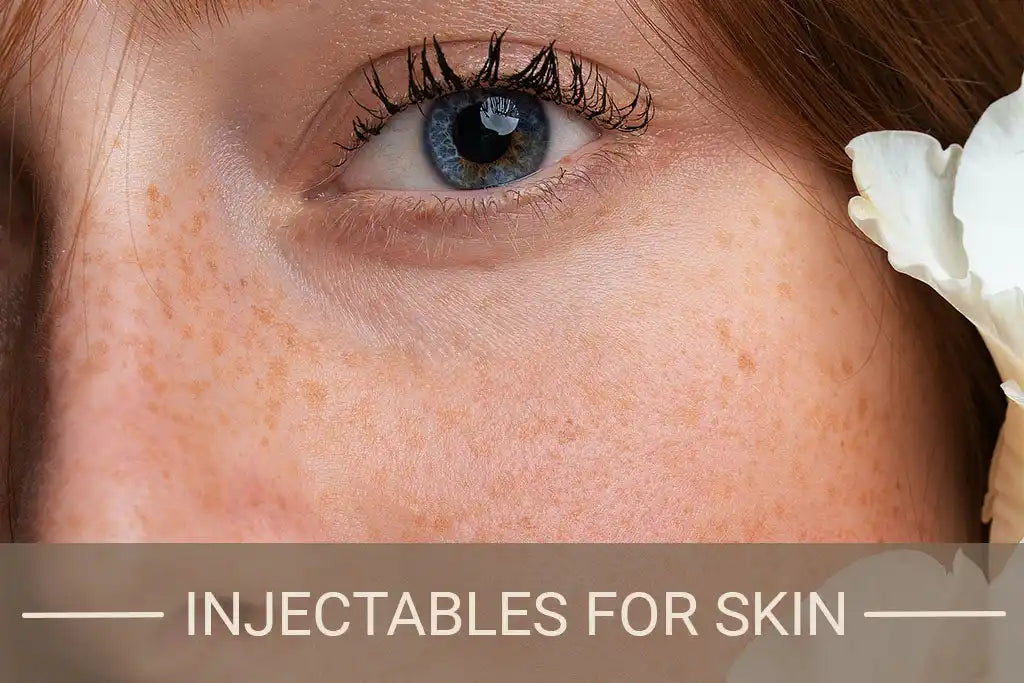
Under The Eyes
The under eye area is one of the most popular treatment locations.
This delicate area often shows signs of ageing earlier than other parts of the face.
Full Face
Patients frequently choose full facial rejuvenation to improve overall skin quality.
Neck
The neck is particularly vulnerable to age related changes and environmental damage.
Décolletage
Many patients seek treatment to improve the appearance of the chest area.
Hands
The hands often reveal age related skin changes and can also benefit from regenerative treatment approaches.
Polynucleotides For Under Eye Rejuvenation
One of the fastest growing applications for Polynucleotides is under eye rejuvenation.
Patients often choose this treatment because they are seeking subtle improvement in the delicate skin around the eyes without adding volume.
The under eye area can be particularly challenging to treat, making regenerative approaches increasingly attractive.
Many patients appreciate the natural looking improvements associated with Polynucleotide treatments around the eyes.
Polynucleotides Versus Dermal Fillers
A common question during consultations is whether Polynucleotides are the same as dermal fillers.
The answer is no.
Dermal Fillers
Dermal fillers are typically used to:
-
Restore volume
-
Enhance facial contours
-
Improve structural support
Polynucleotides
Polynucleotides focus on:
-
Skin quality
-
Hydration
-
Tissue support
-
Regenerative processes
-
Overall skin health
The treatments serve different purposes and may sometimes be used together as part of a comprehensive treatment plan.
Polynucleotides Versus Skin Boosters
Patients also frequently compare Polynucleotides with skin boosters.
Both treatments focus on skin quality rather than facial contouring.
However, they work in different ways and may be recommended for different concerns.
A consultation allows the most appropriate treatment pathway to be determined based on individual goals.
What Happens During Treatment?
Treatment begins with a detailed consultation and skin assessment.
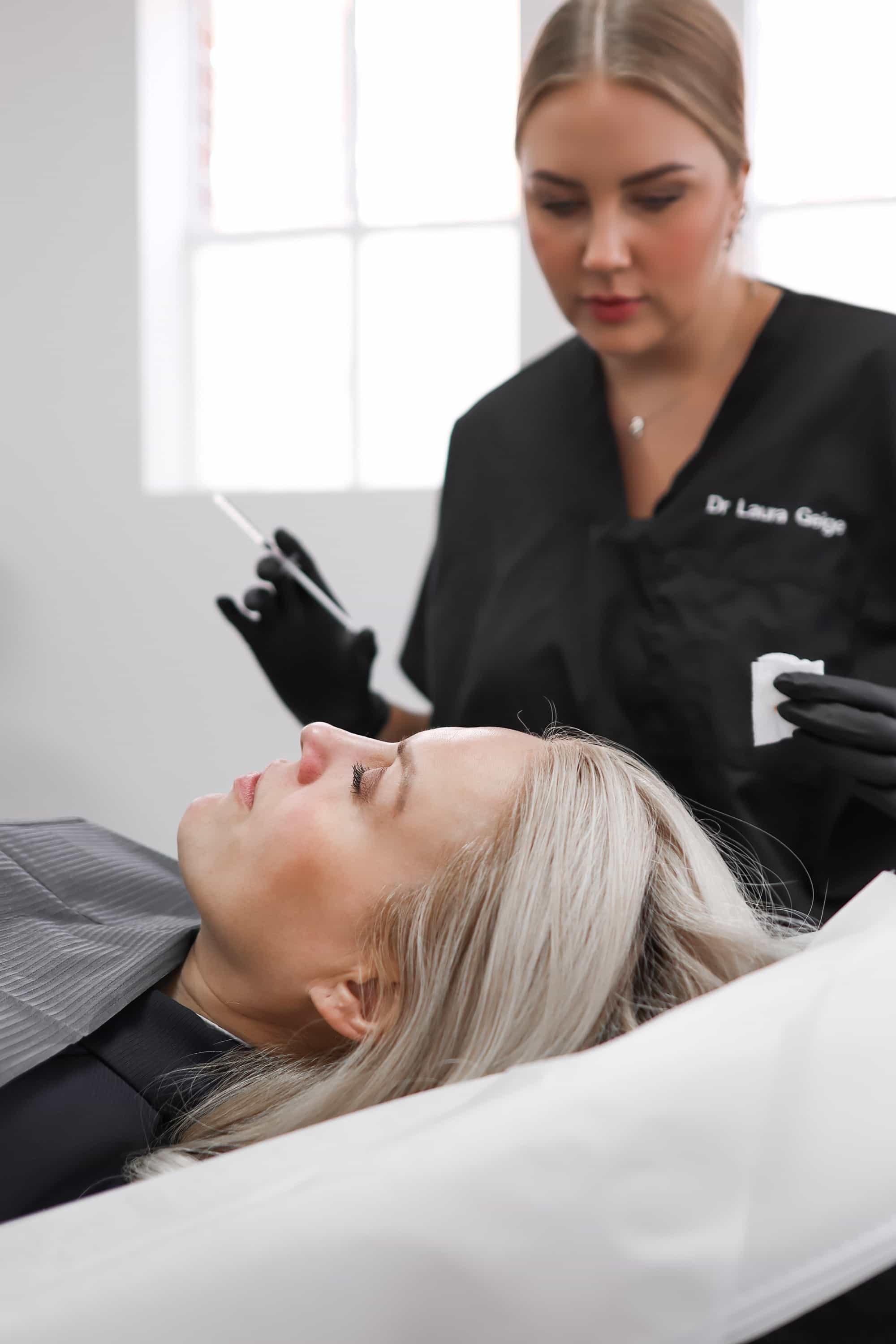
At It's Me & You Aesthetics Skin Clinic, Dr Laura Geige evaluates:
-
Skin quality
-
Medical history
-
Treatment goals
-
Facial anatomy
-
Areas of concern
A personalised treatment plan is then created.
The procedure itself generally involves a series of small injections into the targeted area.
Treatment times vary depending on the area being addressed.
What Is Recovery Like?
Recovery is generally straightforward.
Immediately after treatment, patients may experience:
-
Mild redness
-
Small bumps
-
Temporary swelling
-
Mild tenderness
These effects are usually temporary and often settle within a short period.
Most patients return to their normal routine quickly.
Many visitors choose to enjoy the nearby Bentall Centre, Kingston Riverside or local cafés following their appointment.
When Will I See Results?
Unlike fillers, Polynucleotides do not usually produce immediate visible transformation.
The treatment works gradually.
First Few Weeks
Patients may begin noticing improvements in skin hydration and freshness.
Four To Six Weeks
Skin quality improvements often become more noticeable.
Two To Three Months
Many patients appreciate the most significant changes during this stage.
The gradual nature of results contributes to the natural appearance of the outcome.
How Many Treatments Will I Need?
The number of sessions varies depending on:
-
Skin quality
-
Treatment area
-
Age
-
Goals
-
Individual response
Many patients undergo an initial treatment course followed by maintenance sessions.
A consultation helps determine the most appropriate schedule.
Why Are Polynucleotides Considered Regenerative Aesthetics?
Regenerative aesthetics focuses on supporting the body's own repair and renewal processes.
Rather than simply disguising signs of ageing, these treatments aim to improve the health and quality of the skin itself.
This approach has become increasingly popular among patients seeking long term skin quality improvements and natural looking results.
Polynucleotides are widely regarded as one of the leading treatments within this growing field.
Why Choose It's Me & You Aesthetics Skin Clinic?
Our clinic is conveniently located in Kingston and serves patients from throughout Surrey and London.
It's Me & You Aesthetics Skin Clinic
Siddeley House, Room 7 Ground Floor
50 Canbury Park Road
Kingston Upon Thames
KT2 6LX
Patients appreciate our central location near:
-
Bentall Centre
-
Kingston Riverside
-
Restaurants and cafés
-
Independent boutiques
-
Public transport links
-
Nearby parking facilities
Many visitors combine appointments with shopping, dining or enjoying the local riverside atmosphere.
About Dr Laura Geige
Dr Laura Geige is an experienced aesthetic practitioner with expertise in regenerative aesthetic treatments and non surgical facial rejuvenation.
Her patient centred approach focuses on safety, education and natural looking outcomes.
Every consultation includes a detailed assessment and personalised treatment recommendations designed around the individual's anatomy, concerns and long term goals.
Frequently Asked Questions
What are Polynucleotides used for?
Polynucleotides are commonly used to improve skin quality, hydration and overall skin rejuvenation.
Are Polynucleotides fillers?
No. Polynucleotides are different from dermal fillers and focus on supporting skin health rather than adding volume.
How long do Polynucleotides take to work?
Results develop gradually, with improvements often becoming more noticeable over several weeks and months.
Can Polynucleotides be used under the eyes?
Yes. The under eye area is one of the most popular treatment locations.
How many treatments will I need?
Treatment plans vary according to individual needs and goals.
Is there any downtime?
Most patients experience only mild temporary redness, swelling or tenderness.
Are Polynucleotides suitable for younger patients?
Yes. Many younger patients choose Polynucleotides to support skin quality and preventative skin health.
Can Polynucleotides be combined with other treatments?
Yes. They are frequently incorporated into personalised skin rejuvenation plans.
Final Thoughts
Polynucleotides represent one of the most exciting developments in modern regenerative aesthetics.
By focusing on skin quality, hydration and natural rejuvenation, they offer an appealing option for patients seeking subtle yet meaningful improvements without dramatically altering their appearance.
As demand for natural looking aesthetic treatments continues to grow, Polynucleotides are likely to remain one of the most sought after skin rejuvenation procedures available.
At It's Me & You Aesthetics Skin Clinic in Kingston, Dr Laura Geige provides personalised consultations and tailored treatment plans designed to help patients achieve healthier, brighter and more youthful looking skin through evidence based regenerative aesthetic care.