


Ask about Filler Dissolving Near Petersham
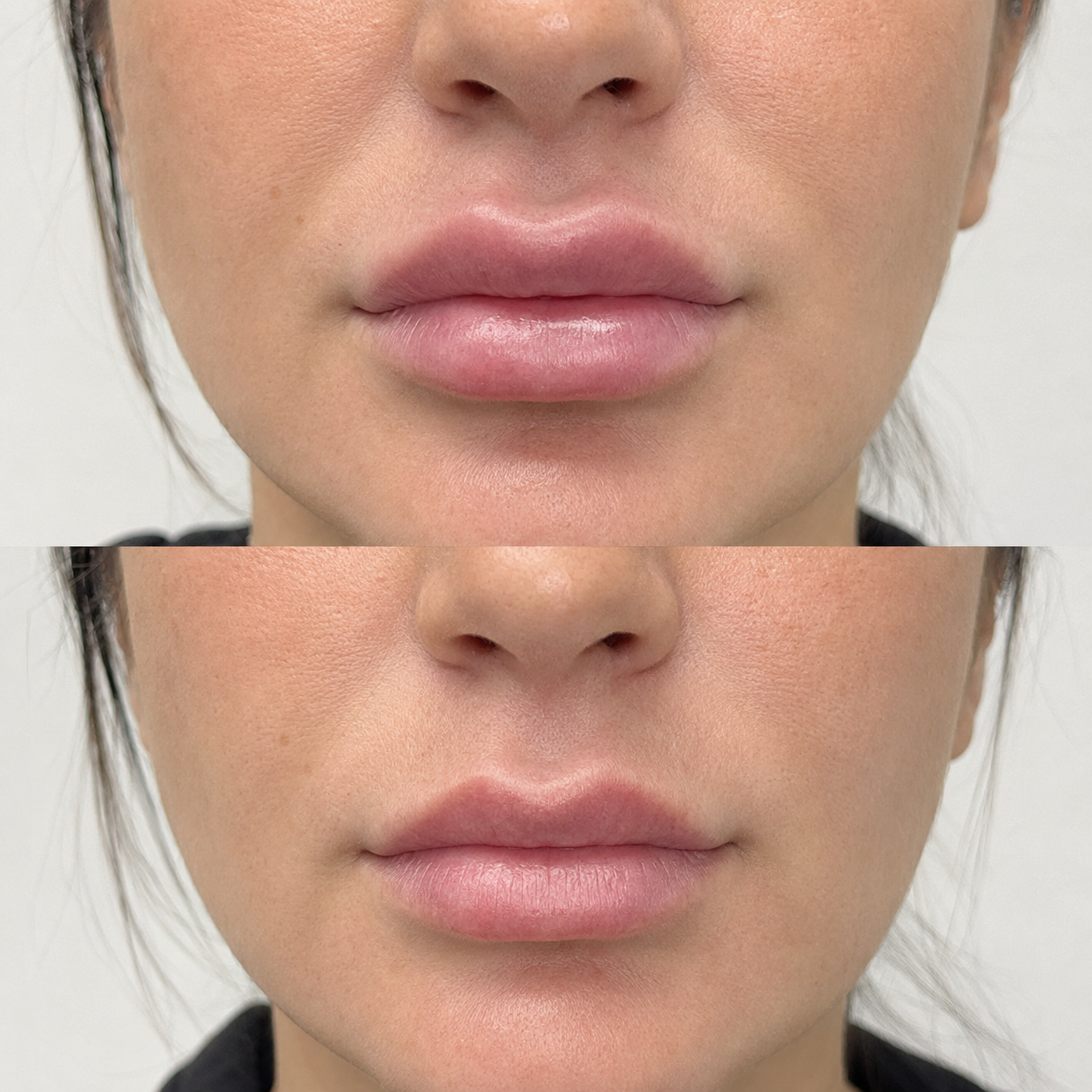
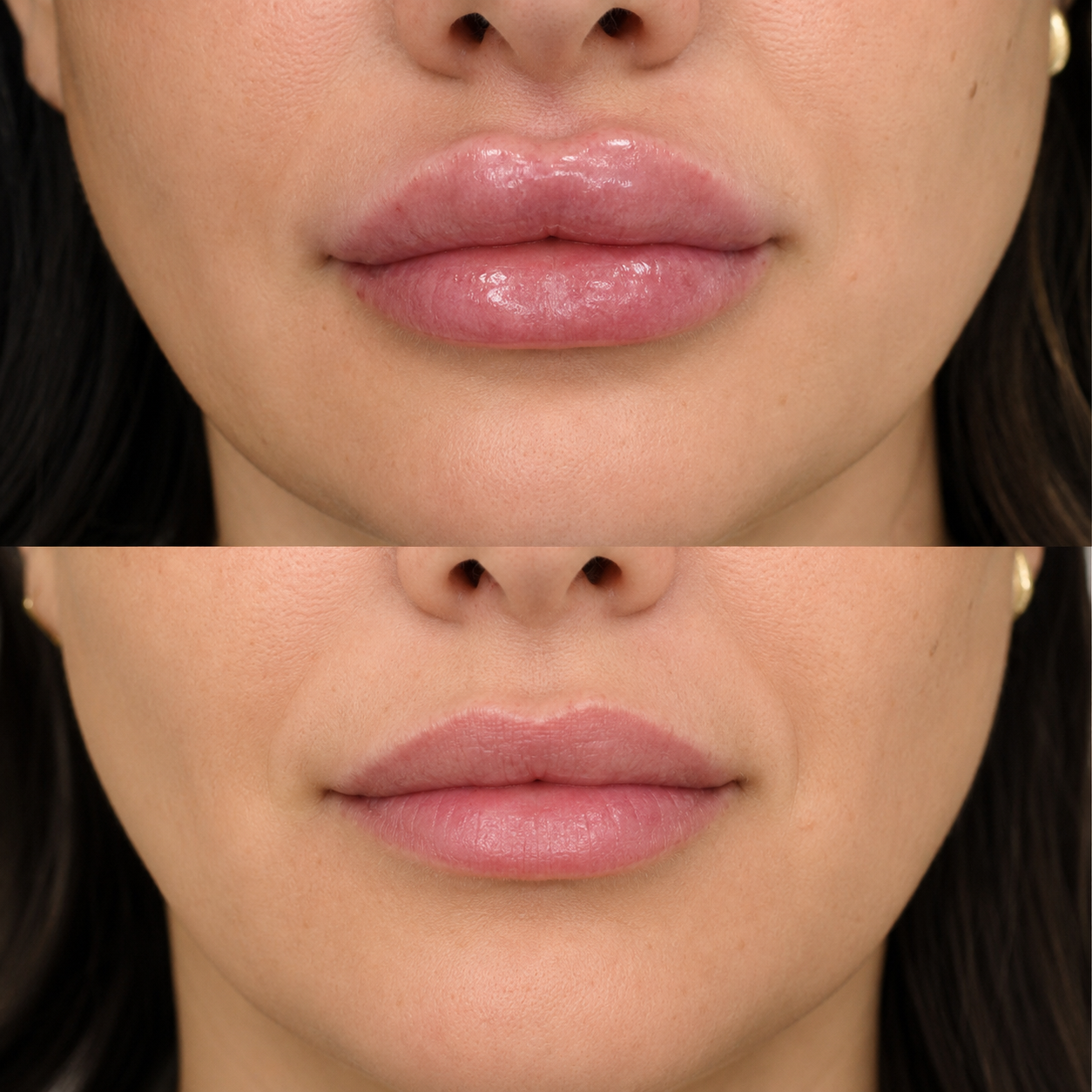
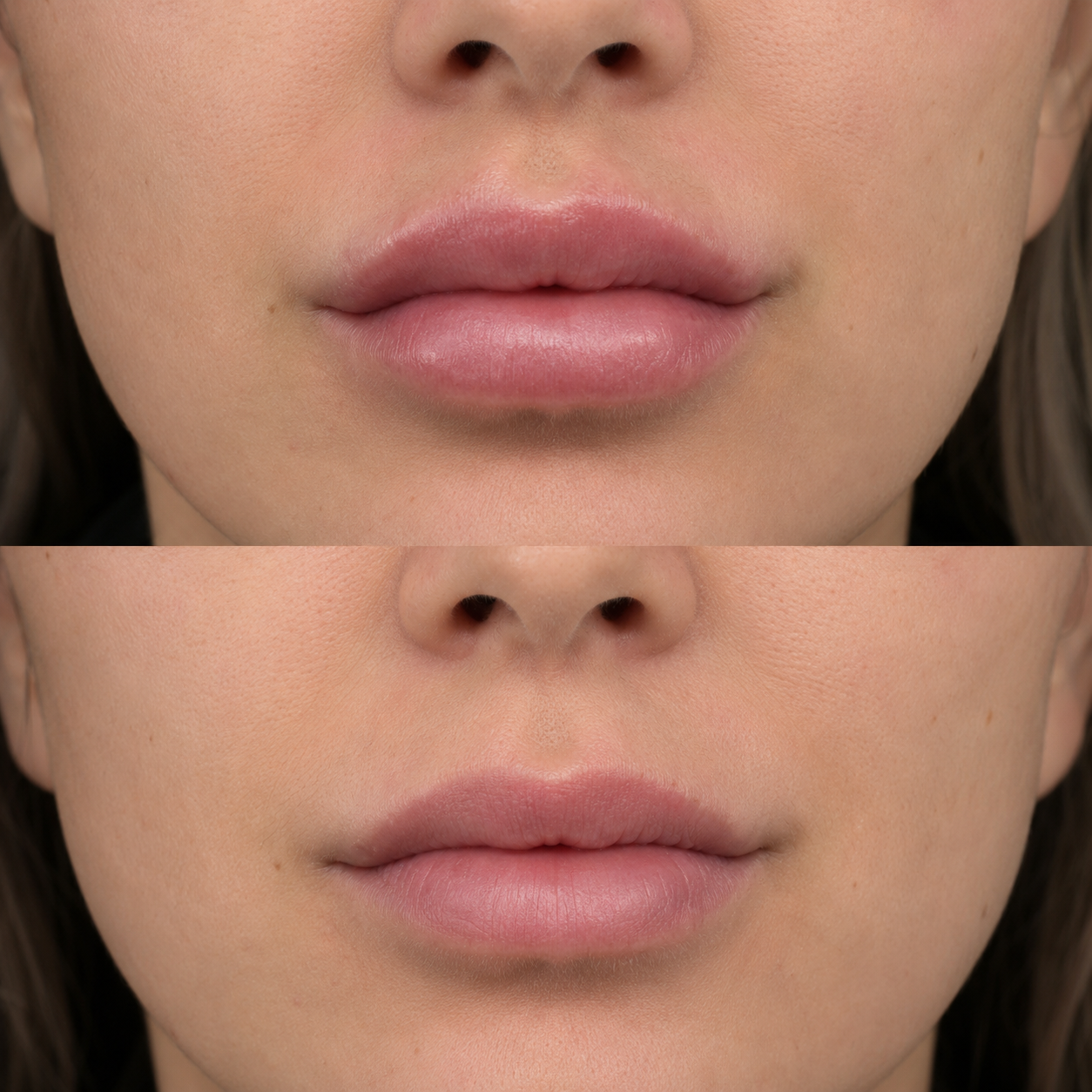
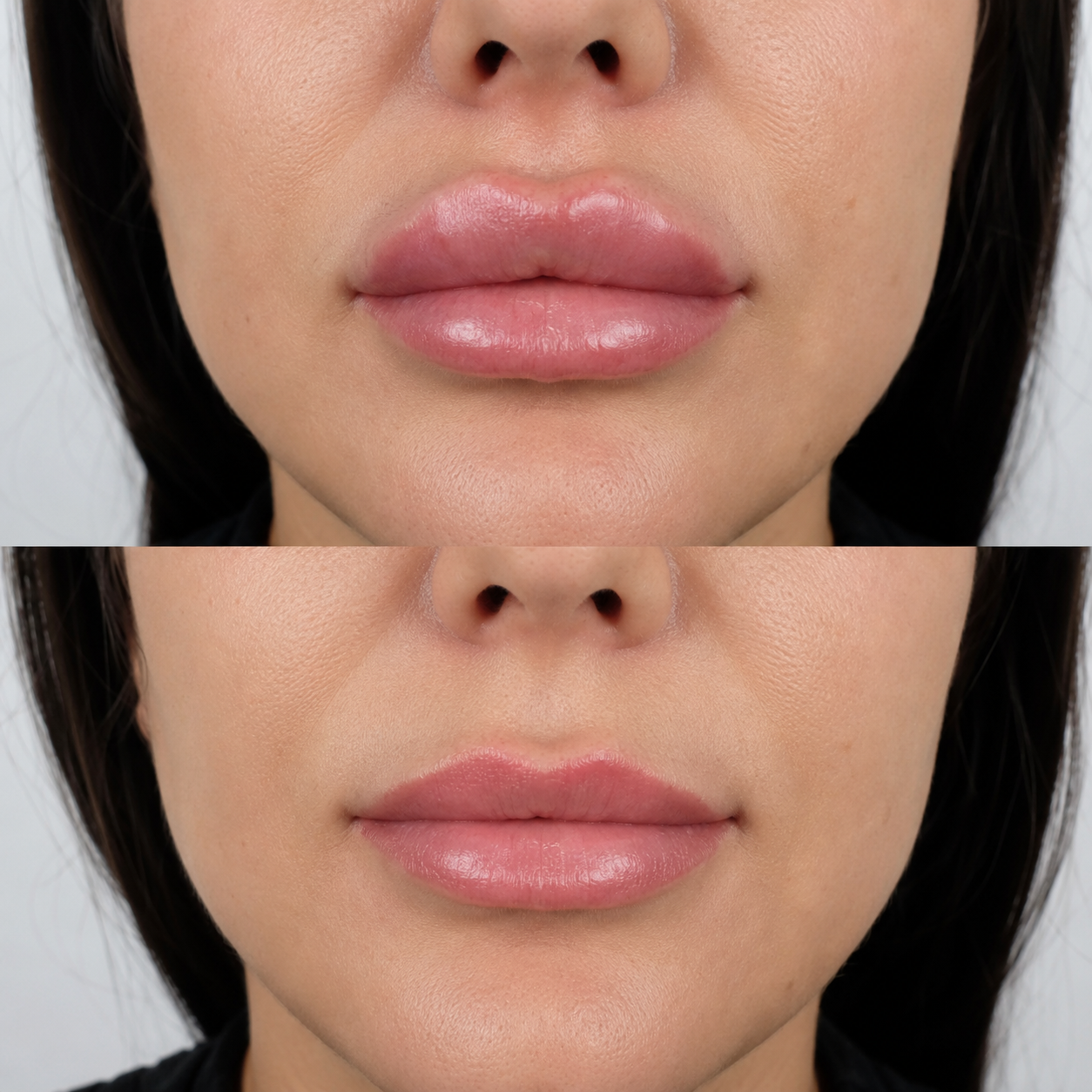
Unwanted lip filler can present in several ways. The lips may appear fuller than intended, the border can lose definition, product may become visible above the lip or a previous treatment may no longer suit the patient’s preferred appearance.
Our filler-dissolving consultation near Petersham provides a personalised assessment for adults considering the correction of hyaluronic acid dermal filler. Treatment uses hyaluronidase, an injectable enzyme that modifies and breaks down hyaluronic acid filler so that unwanted volume may be reduced.
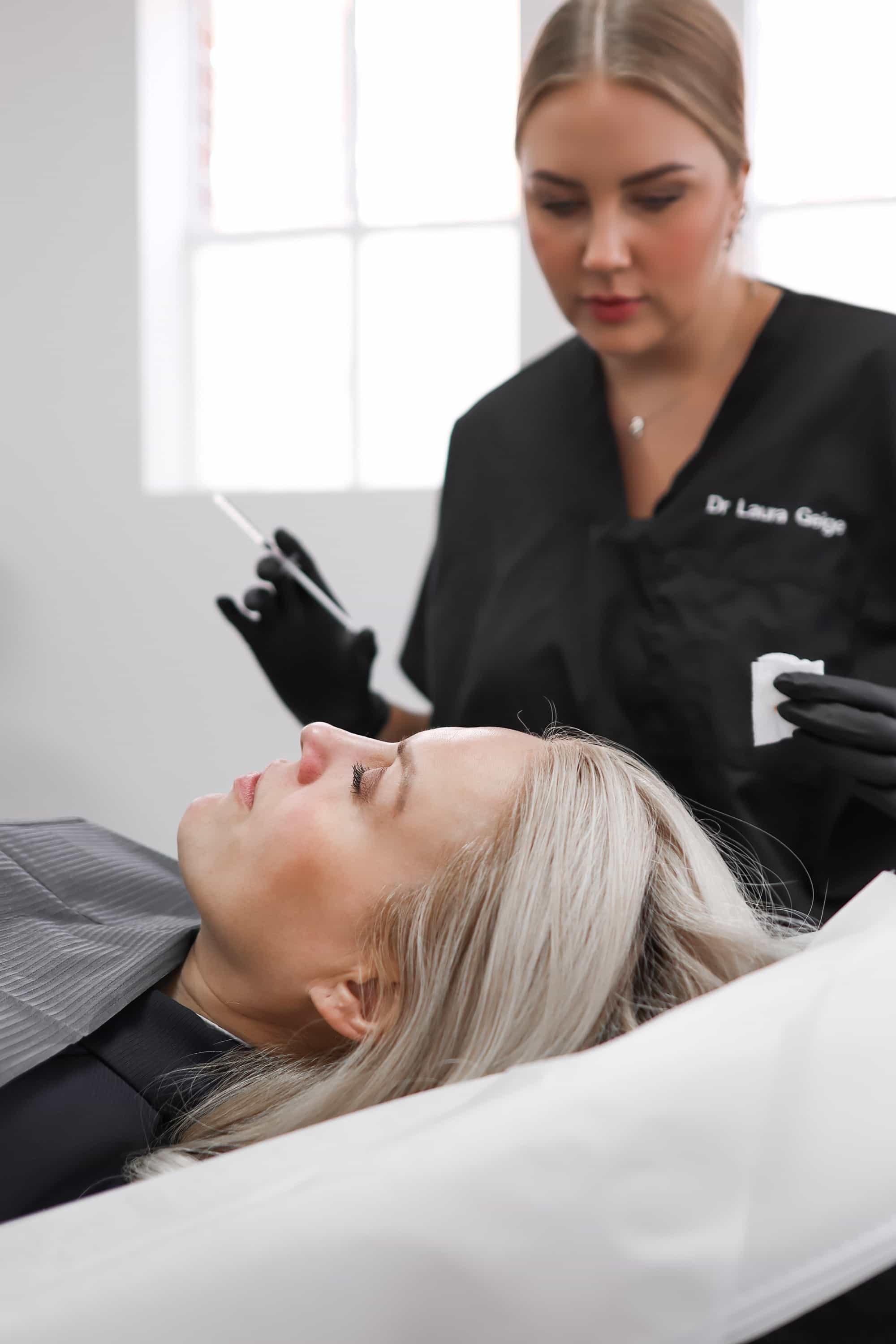
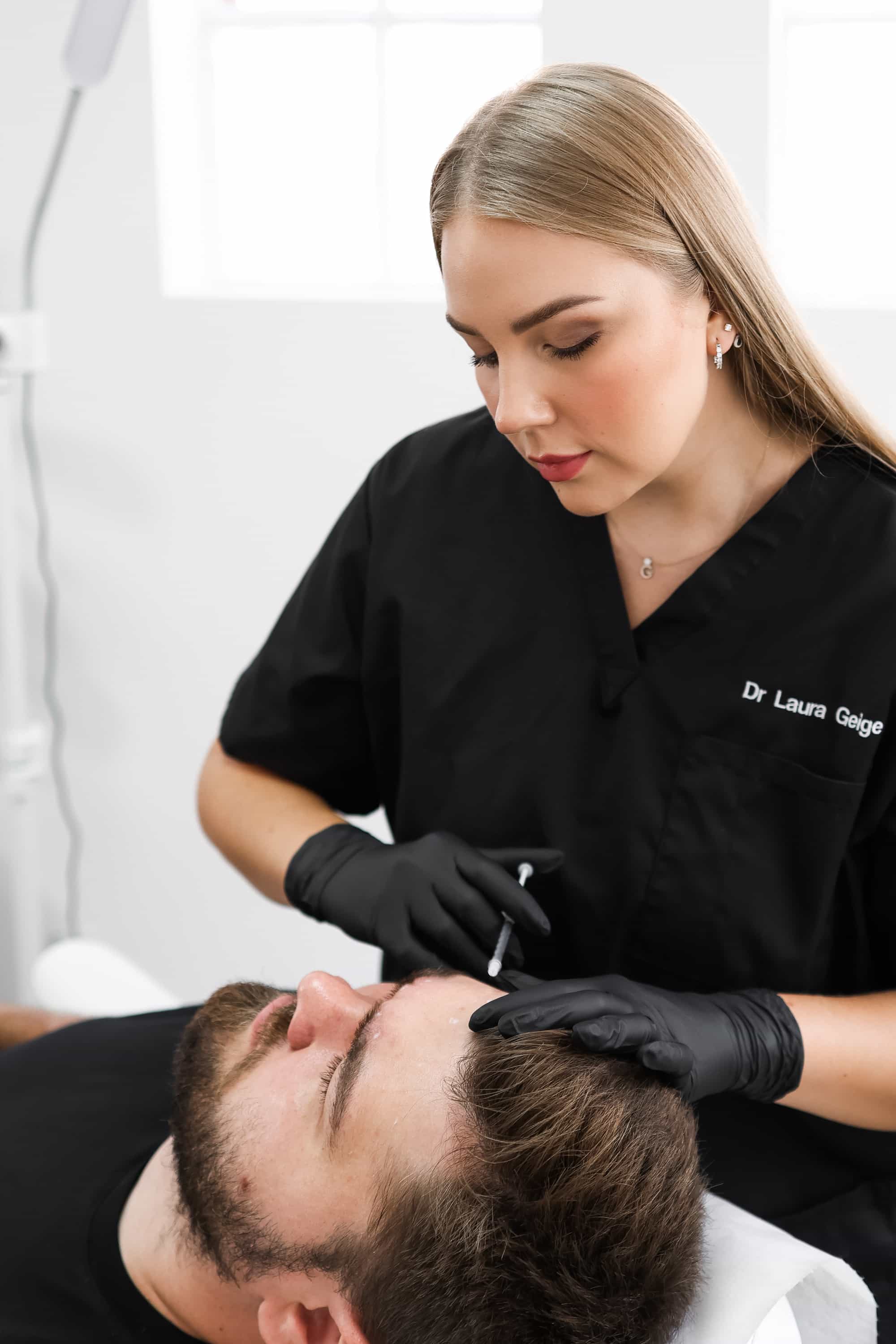
Appointments take place at It’s Me & You Skin Clinic in Kingston upon Thames. Dr Laura Geige is the clinic’s Medical Director, a GDC-registered dentist and a Level 7 Aesthetic Medicine Practitioner with experience in facial injectables, lip treatment and filler correction.
Dissolving is not recommended automatically because a patient dislikes an early result. Recent filler can look uneven while swelling is present, and some concerns may improve as the tissues settle. The consultation considers when the original treatment was performed, what product was used and whether dissolving, observation or another form of correction is appropriate.
Please contact the clinic before purchasing or booking. Hyaluronidase is a prescription-only medicine, and its cosmetic use for dissolving dermal filler is off-label in the UK. Suitability and availability must therefore be confirmed before treatment is arranged.
An Important Note About Filler Emergencies
This page concerns planned correction of unwanted or migrated filler. It is not a substitute for urgent assessment following a possible vascular complication.
Severe or increasing pain, sudden whitening or mottling of the skin, progressive grey or blue discolouration, visual disturbance or neurological symptoms after filler may indicate a vascular occlusion. These symptoms require immediate contact with the treating practitioner and urgent medical assessment rather than waiting for a routine dissolving appointment.
Which Fillers Can Be Dissolved?
Hyaluronidase is used primarily for fillers made from hyaluronic acid. Many common lip-filler products fall within this category, although the original product should be confirmed wherever possible.
Calcium hydroxylapatite, poly-L-lactic acid, permanent silicone and certain other non-hyaluronic products cannot be reversed with hyaluronidase in the same way. Radiesse and Sculptra, for example, are not hyaluronic acid fillers and cannot simply be removed using this enzyme.
Patients who do not know what was injected should try to obtain their previous treatment record. The product name, batch details, quantity, injection area and treatment date can all help with assessment.
Where the nature or location of the product remains uncertain, Dr Laura Geige may advise further investigation, observation or referral rather than injecting dissolver on assumption alone.
Filler Correction Near Petersham Richmond Park
Petersham Meadows lies between Richmond Hill and the River Thames and is managed by the National Trust under a lease from Richmond Council. The council identifies routes 65 and 371 as the local bus services for the area.
Both routes serve Cedar Heights and Petersham Gate. Route 371 continues towards Kingston, while route 65 also provides a direct connection through Ham and north Kingston. Live arrivals should be checked before travelling because service conditions can change.
It’s Me & You Skin Clinic is located at Siddeley House, Room 7 on the ground floor, 50 Canbury Park Road, Kingston upon Thames, KT2 6LX. The building is close to Kingston Station and the town’s principal bus interchange.
When entering Siddeley House through the main doors, the clinic room is the first room on the left. Patients may find it helpful to arrive without rushing, particularly when the appointment concerns a previous treatment that has caused anxiety.
Drivers can approach through Ham and north Kingston. Public car parks, controlled street bays and prebookable spaces are available around central Kingston, although the current signs and restrictions should be checked before leaving a vehicle.
Siddeley House is the Grade II-listed former Hawker Aircraft Experimental Shop. The listed address remains 50 Canbury Park Road, giving the clinic a distinctive connection with Kingston’s aviation history.
Who May Consider Lip-Filler Dissolving?
A consultation may be appropriate for an adult concerned about migrated, overfilled, uneven or poorly positioned hyaluronic acid lip filler.
Patients may also seek assessment because their aesthetic preferences have changed. Choosing a more natural-looking appearance can be a valid reason to discuss dissolving, provided the benefits and limitations are understood.
The original filler should ideally be hyaluronic acid based. Where a permanent or non-HA product was used, hyaluronidase may not provide the intended correction.
Treatment should not be performed at a site affected by active infection. The official Hyalase product information also lists known hypersensitivity to hyaluronidase as a contraindication.
Pregnancy requires particular caution because the official product information states that there is insufficient human safety evidence and advises avoiding use unless no safer alternative exists. Breastfeeding should also be discussed before treatment.
Patients with a history of serious allergy, anaphylaxis or unusual reactions following injections must provide complete details. Severe allergic reactions to hyaluronidase have been reported rarely.
What Happens During the Appointment?
The appointment begins with a review of the original filler treatment, medical history, allergies and the patient’s preferred outcome.
Dr Laura Geige examines the lips at rest and during movement. The assessment considers whether the concern appears to involve migration, excess volume, natural anatomy, scar tissue or another issue that may not respond to dissolving.
The intended degree of correction is then discussed. Some patients seek complete removal, while others wish to reduce a particular ridge or area of fullness.
Hyaluronidase is prepared and injected into the selected tissue using a dose and technique appropriate to the clinical plan. The quantity required cannot be chosen responsibly from photographs or a standard package alone.
The patient may be observed following treatment, particularly because allergic reactions, although uncommon, are a recognised possibility.
The early appearance can be misleading because the injection itself may cause swelling. A further assessment may therefore be needed before deciding whether additional dissolving or future filler correction is appropriate.


Before and After