Polynucleotides Recovery in Kingston, London: Complete Recovery Timeline and Aftercare Guide
Polynucleotides Recovery in Kingston, London: Complete Recovery Timeline and Aftercare Guide
One of the reasons Polynucleotide treatments have become so popular is that they offer skin rejuvenation with relatively minimal downtime. As more patients seek natural looking improvements in skin quality, hydration and overall skin health, Polynucleotides have emerged as one of the leading regenerative aesthetic treatments available today.
While the treatment itself is relatively straightforward, many patients understandably want to know what happens afterwards. How long does recovery take? Will there be swelling? When can normal activities be resumed? And perhaps most importantly, when will results become visible?
At It's Me & You Aesthetics Skin Clinic in Kingston, we regularly guide patients from Kingston, Surbiton, Richmond, Wimbledon, Twickenham, Esher, Walton on Thames, Cobham and throughout London through every stage of their Polynucleotide treatment journey.
Understanding the recovery process helps patients feel confident, prepared and informed before treatment.
In this comprehensive guide, we explain the complete Polynucleotides recovery timeline, common side effects, aftercare recommendations and what to expect as your skin begins responding to treatment.
What Are Polynucleotides?
Polynucleotides are regenerative injectable treatments designed to improve skin quality and support natural skin rejuvenation.
Unlike treatments that focus primarily on volume restoration, Polynucleotides work by supporting the skin's own repair and renewal processes.
Patients commonly choose Polynucleotides to address:
-
Skin quality concerns
-
Dehydrated skin
-
Fine lines
-
Crepey skin
-
Dull complexion
-
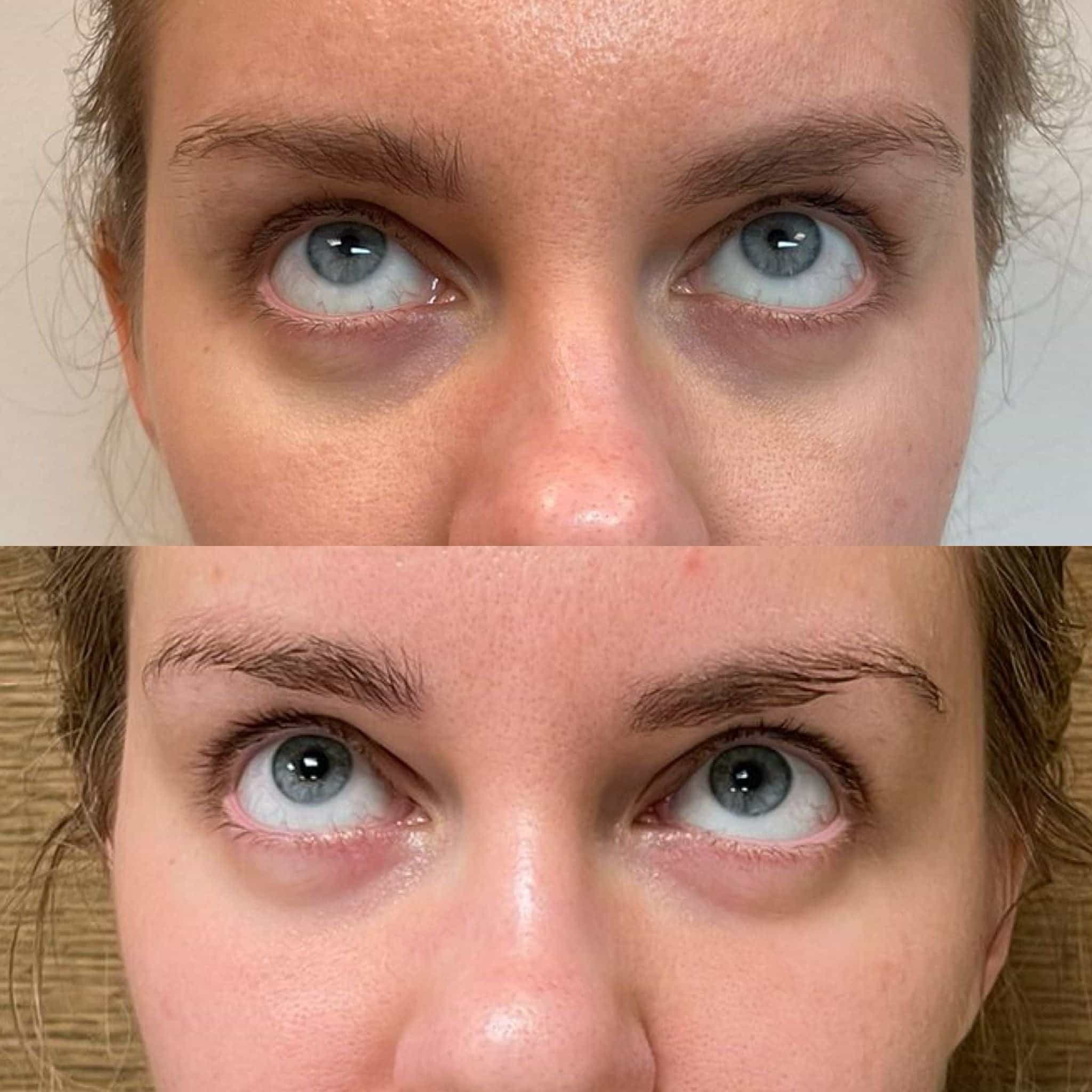
Under eye rejuvenation
-
Healthy ageing support
Because the treatment focuses on regeneration rather than immediate structural change, results develop gradually over time.
Why Recovery Is Different From Fillers
One of the most important things patients should understand is that Polynucleotide recovery differs from dermal filler recovery.
With fillers, visible results are often noticeable immediately.
Polynucleotides work differently.
The treatment supports biological processes within the skin, meaning visible improvements develop gradually over weeks and months.
As a result, recovery is often less about waiting for swelling to settle and more about understanding the skin rejuvenation timeline.
Immediately After Treatment
Immediately following treatment, it is normal to experience temporary reactions around the injection sites.
These may include:
-
Mild redness
-
Small raised bumps
-
Minor swelling
-
Tenderness
-
Sensitivity
These effects are expected and usually indicate the treatment has been delivered into the appropriate tissue layers.
Many patients are surprised by how quickly these reactions improve.
The First Few Hours
During the first several hours, the small bumps created by treatment are often most noticeable.
Depending on the area treated, they may resemble tiny raised areas beneath the skin.
This is completely normal and usually temporary.
Most patients feel comfortable returning home, attending meetings or continuing with their day after treatment.
The First 24 Hours
During the first day, patients may continue to notice:
-
Mild swelling
-
Small injection marks
-
Slight tenderness
-
Temporary redness
For most individuals, these effects are mild and manageable.
Many patients return to work immediately after treatment.
Others choose to schedule appointments before a quieter evening at home.
Polynucleotides Aftercare Advice
Following appropriate aftercare recommendations can help support recovery and optimise treatment outcomes.
Patients are often advised to:
Avoid Touching The Area
Try not to massage or apply unnecessary pressure to the treated skin.
Avoid Intense Exercise
Strenuous exercise is commonly postponed for approximately twenty four hours.
Avoid Excessive Heat
Many practitioners recommend temporarily avoiding:
-
Saunas
-
Steam rooms
-
Hot tubs
-
Excessive sun exposure
Follow Individual Advice
Personalised aftercare instructions should always take priority.
Days Two To Three
By this stage, most of the visible treatment related effects have significantly improved.
The majority of patients notice:
-
Reduced swelling
-
Improved comfort
-
Resolution of redness
-
Fewer visible injection marks
Depending on the treatment area, some minor tenderness may still be present.
Most patients can comfortably attend social events, work commitments and normal activities.
Days Four To Seven
The first week generally marks the end of the initial recovery phase.
Most visible signs of treatment have usually resolved.
At this stage, patients often begin feeling that their skin looks fresher and more hydrated, although major changes are not yet expected.
This period is often described as the beginning of the regenerative phase.
Week Two
By the second week, many patients notice subtle improvements.
These may include:
-
Enhanced hydration
-
Improved skin softness
-
Increased radiance
-
Fresher complexion
Results remain gradual and natural.
The goal is healthy looking skin rather than dramatic transformation.
Weeks Four To Six
This is often when more noticeable improvements begin developing.
Patients frequently report:
-
Better skin texture
-
Improved skin quality
-
Increased luminosity
-
Healthier appearance
-
Enhanced skin smoothness
Before and after photographs may begin demonstrating visible differences at this stage.
Two To Three Months After Treatment
Many patients reach their most noticeable improvements during this period.
The skin may appear:
-
Brighter
-
More hydrated
-
Smoother
-
Healthier
-
More resilient
This stage often represents the peak visible benefit from treatment.
Patients frequently report receiving compliments about looking refreshed without people being able to identify exactly why.
Recovery By Treatment Area
Recovery experiences can vary slightly depending on the area treated.
Under Eyes
The under eye area may experience slightly more visible swelling during the first few days.
Face
Facial treatments generally involve mild and manageable recovery.
Neck
The neck often heals quickly and comfortably.
Décolletage
Recovery is usually straightforward, although individual experiences vary.
How Long Does Polynucleotide Recovery Take?
Most visible treatment related effects settle within several days.
However, the regenerative process continues for much longer.
Recovery can be viewed in two stages:
Initial Recovery
Usually lasts several days.
Regenerative Recovery
Continues over weeks and months as the skin responds to treatment.
This gradual process is part of what makes Polynucleotide results appear so natural.
Common Recovery Questions
Are The Small Bumps Normal?
Yes. Small raised bumps immediately after treatment are common and usually temporary.
Can I Wear Makeup?
Many patients can resume normal routines relatively quickly, although personalised advice should always be followed.
Is Bruising Possible?
Minor bruising can occasionally occur, although not every patient experiences this.
Can I Return To Work?
Most patients return to work immediately or the following day.
Why Choosing An Experienced Practitioner Matters
The quality of treatment planning and injection technique can influence both results and recovery.
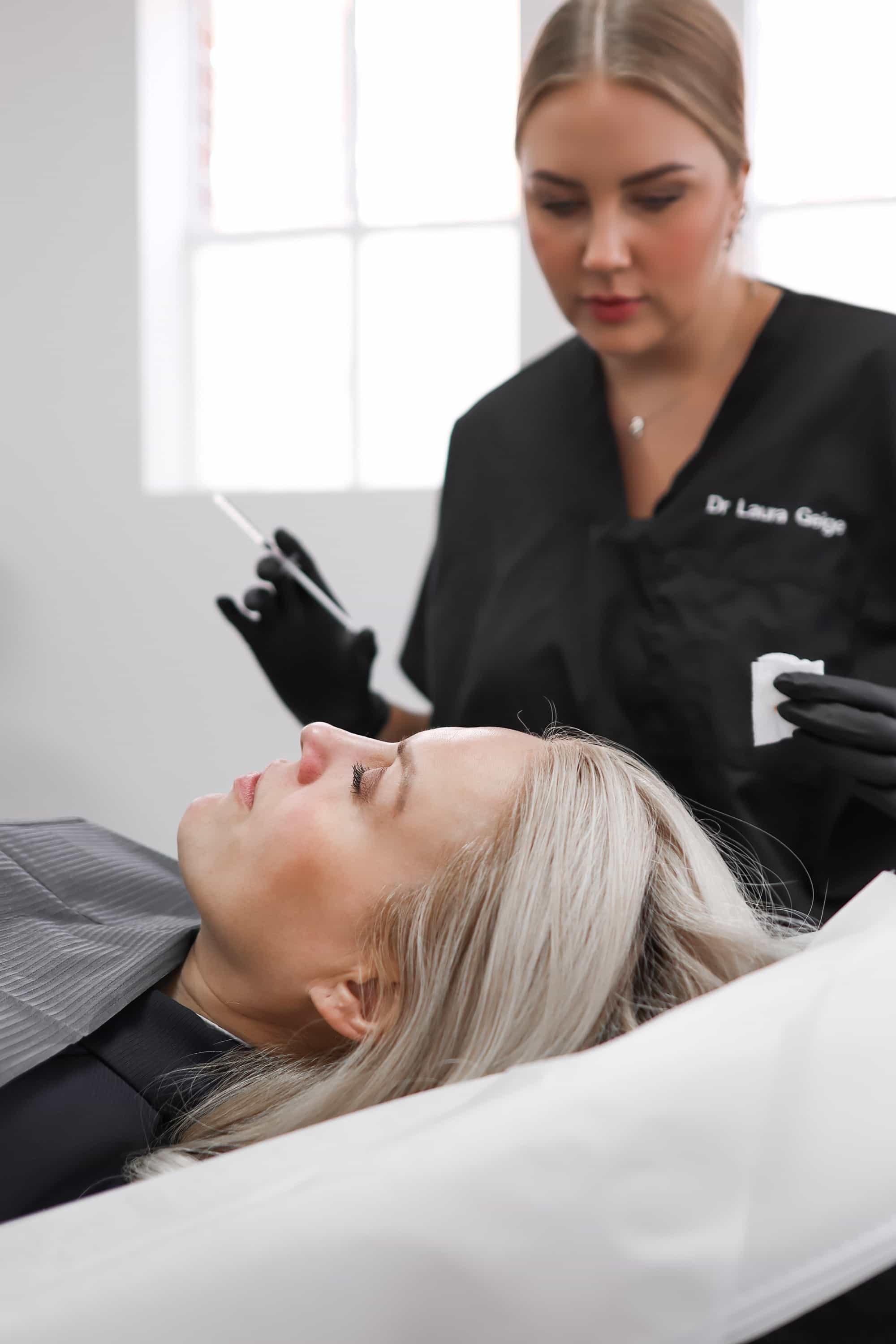
At It's Me & You Aesthetics Skin Clinic, Dr Laura Geige performs a detailed consultation before treatment to assess:
-
Skin quality
-
Facial anatomy
-
Medical history
-
Treatment goals
-
Individual suitability
This personalised approach helps optimise both safety and outcomes.
Why Choose It's Me & You Aesthetics Skin Clinic?
Our clinic is conveniently located in Kingston and welcomes patients from throughout Surrey and London.
It's Me & You Aesthetics Skin Clinic
Siddeley House, Room 7 Ground Floor
50 Canbury Park Road
Kingston Upon Thames
KT2 6LX
Patients appreciate our location close to:
-
Bentall Centre
-
Kingston Riverside
-
Restaurants and cafés
-
Independent boutiques
-
Public transport links
-
Nearby parking facilities
Many visitors combine their appointment with shopping, dining or enjoying the local riverside atmosphere.
About Dr Laura Geige
Dr Laura Geige is an experienced aesthetic practitioner with expertise in regenerative aesthetic medicine and non surgical facial rejuvenation.
Her patient centred approach focuses on education, safety and natural looking outcomes.
Every treatment plan is tailored to the individual to ensure realistic expectations and personalised care.
Frequently Asked Questions
How long does Polynucleotides recovery take?
Most visible treatment related effects settle within several days, although skin improvements continue developing over weeks and months.
Are bumps normal after Polynucleotides?
Yes. Small temporary bumps are common immediately after treatment.
Can I go back to work after treatment?
Most patients return to normal activities immediately or the following day.
When will I see results?
Many patients notice early improvements within a few weeks, with more significant changes developing over two to three months.
Can I exercise after Polynucleotides?
Strenuous exercise is often avoided for approximately twenty four hours.
Is swelling normal?
Mild swelling is common and usually temporary.
Do Polynucleotides bruise?
Minor bruising can occasionally occur but is generally short lived.
How many treatments are usually needed?
Treatment plans vary according to individual goals and skin quality.
Final Thoughts
Polynucleotides recovery is generally straightforward, with most patients experiencing only mild temporary reactions and minimal disruption to daily life.
While visible treatment related effects often resolve within a few days, the regenerative benefits continue developing for weeks and months as the skin responds naturally to treatment.
This gradual process is one of the reasons Polynucleotides have become so popular among patients seeking healthier, fresher and more youthful looking skin without dramatic changes.
At It's Me & You Aesthetics Skin Clinic in Kingston, Dr Laura Geige provides personalised consultations and bespoke treatment plans designed to help patients achieve natural looking skin rejuvenation through evidence based regenerative aesthetic care.