
How Many Polynucleotide Sessions Are Needed? Kingston, London Treatment Guide
How Many Polynucleotide Sessions Are Needed? Kingston, London Treatment Guide
One of the most common questions patients ask before starting Polynucleotide treatment is how many sessions they will need to achieve noticeable results.
Unlike some aesthetic treatments that produce immediate visible changes after a single appointment, Polynucleotides work gradually by supporting the skin's natural repair and regeneration processes. Because of this, treatment is usually approached as a course rather than a one off procedure.
At It's Me & You Aesthetics Skin Clinic in Kingston, we regularly see patients from Kingston, Surbiton, Richmond, Wimbledon, Twickenham, Esher, Walton on Thames, Cobham and throughout London who are interested in Polynucleotide treatments for skin rejuvenation, under eye concerns and healthy ageing.
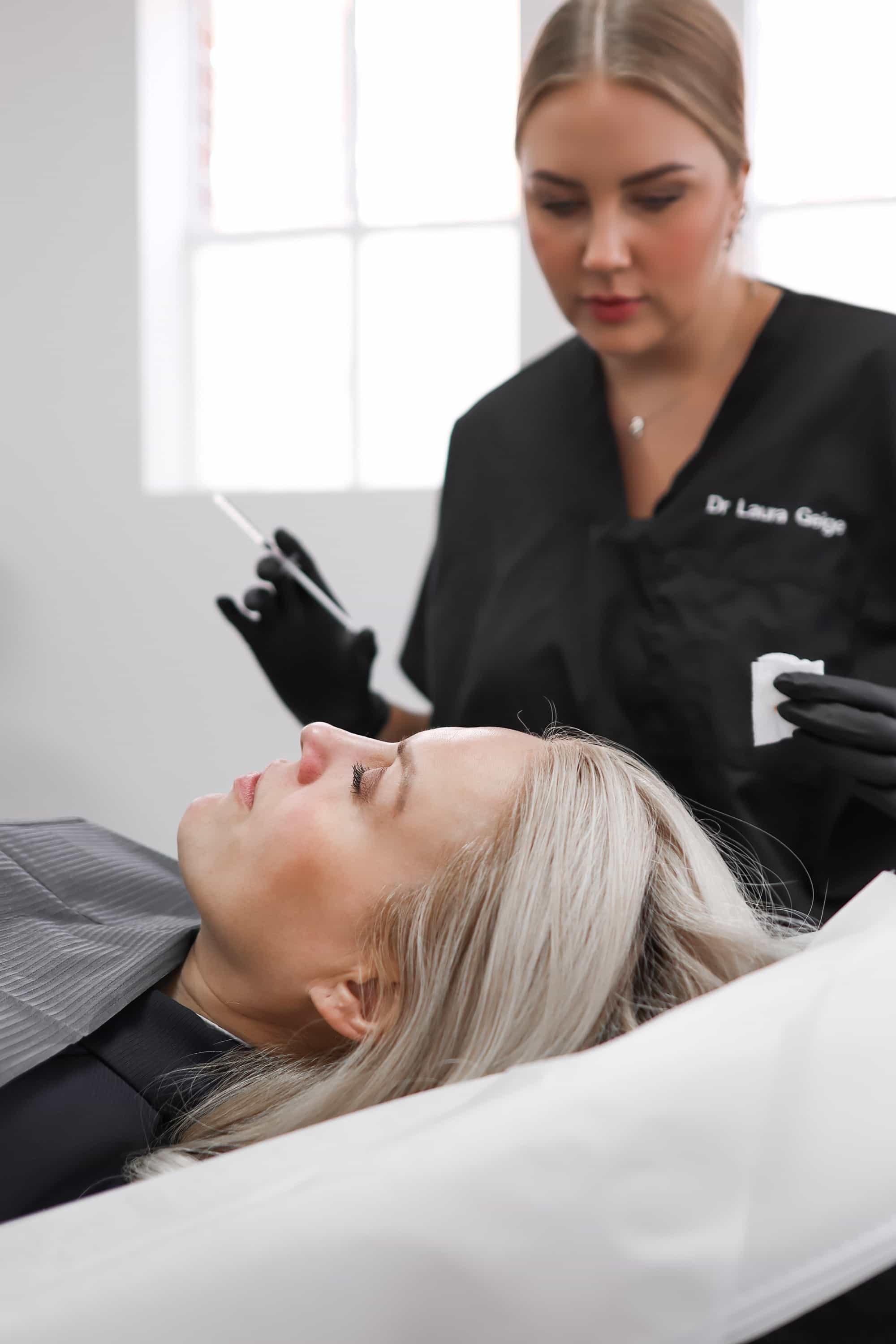
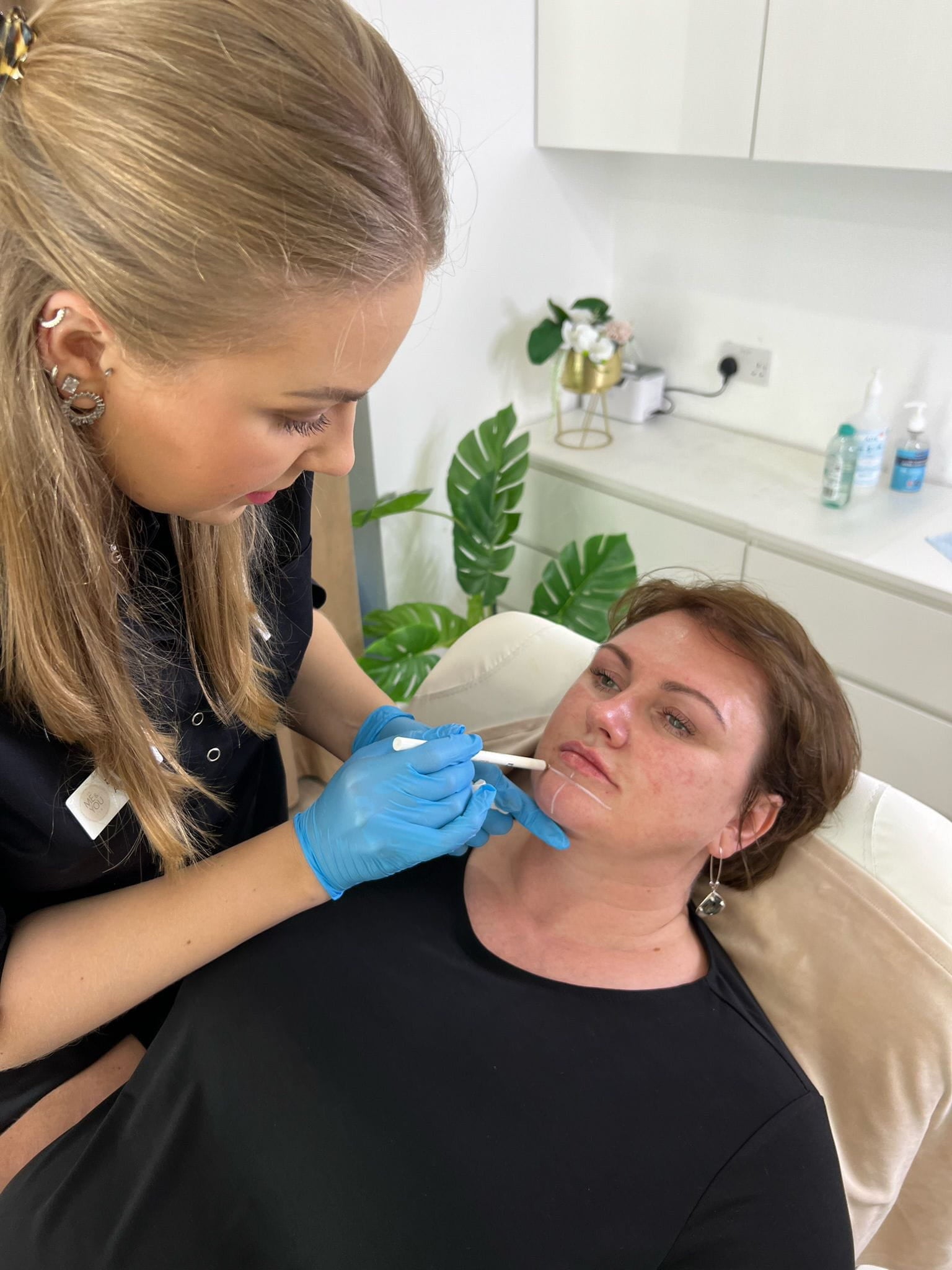
One of the first things Dr Laura Geige discusses during consultation is the importance of setting realistic expectations regarding treatment timelines and the number of sessions required.
In this guide, we explain how many Polynucleotide sessions are typically recommended, what influences treatment plans and how to maintain results over time.
Clinically Reviewed By Dr Laura Geige
This article has been clinically reviewed by Dr Laura Geige, aesthetic practitioner at It's Me & You Aesthetics Skin Clinic, Kingston, London. Dr Geige specialises in regenerative aesthetics, skin rejuvenation and personalised non surgical treatment planning.
Why Polynucleotides Are Different From Many Other Treatments
To understand why multiple sessions are often recommended, it helps to understand how Polynucleotides work.
Unlike treatments that primarily add volume or temporarily improve appearance, Polynucleotides focus on improving the condition of the skin itself.
The treatment supports:
-
Skin quality
-
Hydration
-
Skin resilience
-
Skin texture
-
Natural regeneration
-
Long term skin health
Because these improvements rely on biological processes within the skin, results develop gradually over time rather than overnight.
This gradual improvement is one reason why many patients appreciate Polynucleotides. The results often appear natural and subtle rather than obvious or dramatic.
Is One Session Enough?
In most cases, a single treatment session is not considered the ideal approach for achieving optimal results.
While some patients may notice early improvements after one appointment, the full regenerative benefits of Polynucleotides generally require a structured treatment course.
Think of Polynucleotides as a skin quality programme rather than a quick fix.
Each treatment session builds upon the previous one, helping support ongoing improvements in skin health and appearance.
How Many Sessions Are Usually Recommended?
Treatment recommendations vary according to the individual.
However, many patients are advised to undergo a course of approximately three sessions.
These sessions are typically spaced several weeks apart.
This staged approach allows the skin to respond progressively while supporting cumulative improvements.
The exact number of sessions depends on several factors, including:
-
Age
-
Skin condition
-
Treatment area
-
Lifestyle
-
Treatment goals
-
Previous aesthetic treatments
A consultation is always necessary to determine the most appropriate treatment plan.
Polynucleotides For Younger Patients
Patients in their twenties and thirties often seek Polynucleotide treatments as part of a preventative skincare strategy.
These individuals may have:
-
Good skin quality
-
Minimal signs of ageing
-
Mild dehydration
-
Early skin concerns
Because their skin is often in relatively good condition, treatment plans may focus on maintaining skin health rather than addressing advanced concerns.
The number of sessions required can vary depending on individual goals.
Polynucleotides For Mature Skin
Patients with more advanced signs of ageing often seek treatment for concerns such as:
-
Fine lines
-
Reduced skin elasticity
-
Changes in skin quality
-
Dehydration
-
Overall skin rejuvenation
In these cases, a structured treatment course is often particularly beneficial because the skin may require ongoing support to achieve optimal improvements.
Does The Treatment Area Matter?
Yes.
Different treatment areas may respond differently and can influence treatment planning.
Under Eyes
The under eye area is one of the most popular treatment locations for Polynucleotides.
Because this skin is particularly delicate, multiple sessions are often recommended to support gradual and natural looking improvement.
Full Face
Patients seeking overall facial rejuvenation often benefit from a structured treatment programme.
Neck
The neck frequently shows age related skin changes and may require a tailored approach.
Décolletage
This area can also benefit from a course of regenerative treatment sessions.
What Happens After The Initial Course?
Following completion of the recommended treatment course, many patients move into a maintenance phase.
The purpose of maintenance treatment is to help support ongoing skin quality and preserve results.
Maintenance schedules vary depending on:
-
Age
-
Lifestyle
-
Skin condition
-
Sun exposure
-
Individual goals
A personalised plan can be created during follow up appointments.
When Will I Start Seeing Results?
Many patients expect visible improvements immediately.
However, Polynucleotides work gradually.
First Few Weeks
Patients may notice subtle improvements in hydration and skin freshness.
Four To Six Weeks
Skin quality changes often become more noticeable.
Two To Three Months
Many patients appreciate the most significant improvements during this stage.
This gradual progression is one of the reasons results often appear natural.
Can More Sessions Produce Better Results?
Potentially.
Because treatment plans are personalised, some patients may choose additional sessions depending on their goals and response to treatment.
The most appropriate number of sessions should always be determined by a qualified practitioner following assessment.
More treatment is not always better.
The goal is to create a plan that aligns with your skin needs and desired outcome.
Factors That Influence The Number Of Sessions
Age
Skin naturally changes over time, influencing treatment planning.
Skin Quality
Patients with more advanced skin concerns may require a different approach.
Lifestyle
Smoking, sun exposure and general skincare habits can influence skin condition.
Treatment Goals
Some patients seek preventative skin health while others want more comprehensive rejuvenation.
Area Being Treated
Different areas of the face and body may respond differently.
Why Patience Matters With Polynucleotides
One of the most important aspects of Polynucleotide treatment is understanding that results take time.
Unlike treatments that deliver immediate volume or structural changes, Polynucleotides focus on long term skin quality.
Patients who understand this process often report greater satisfaction because their expectations align with the gradual nature of the treatment.
Can Polynucleotides Be Combined With Other Treatments?
Yes.
Many patients incorporate Polynucleotides into a broader skin rejuvenation plan.
Examples may include:
-
Skin boosters
-
Profhilo
-
Anti wrinkle treatments
-
Medical grade skincare
-
Facial rejuvenation treatments
A consultation helps determine the most appropriate combination approach.
Why Choose It's Me & You Aesthetics Skin Clinic?
Our clinic is conveniently located in Kingston and welcomes patients from across Surrey and London.
It's Me & You Aesthetics Skin Clinic
Siddeley House, Room 7 Ground Floor
50 Canbury Park Road
Kingston Upon Thames
KT2 6LX
Patients appreciate our accessible location near:
-
Bentall Centre shopping
-
Kingston Riverside
-
Popular cafés and restaurants
-
Independent boutiques
-
Public transport links
-
Nearby parking facilities
Many visitors combine their appointment with shopping, dining or enjoying Kingston's vibrant town centre atmosphere.
About Dr Laura Geige
Dr Laura Geige is an experienced aesthetic practitioner with expertise in regenerative aesthetics, skin rejuvenation and non surgical cosmetic treatments.
Her patient centred approach focuses on natural looking results, evidence based treatment planning and personalised care.
Every consultation includes a detailed skin assessment to ensure recommendations are tailored to the individual's anatomy, concerns and long term goals.
Frequently Asked Questions
How many Polynucleotide sessions are usually needed?
Many patients undergo a course of approximately three treatment sessions, although individual recommendations vary.
Can I get results from one session?
Some patients notice early improvements after one treatment, but a full course is often recommended for optimal results.
How far apart are Polynucleotide treatments?
Treatment intervals vary depending on the treatment plan created during consultation.
Do under eye Polynucleotides require multiple sessions?
Many patients undergoing under eye rejuvenation are advised to complete a treatment course rather than a single session.
When will I see results?
Many patients notice gradual improvements over several weeks and months.
How long do results last?
Longevity varies depending on individual factors and maintenance schedules.
Will I need maintenance treatments?
Many patients choose periodic maintenance appointments to help support ongoing skin quality.
Can Polynucleotides be combined with Profhilo?
Yes. Some patients incorporate both treatments into a personalised skin rejuvenation plan.
Final Thoughts
When asking how many Polynucleotide sessions are needed, the answer is rarely the same for every patient.
Most individuals benefit from a structured course of treatment designed to support progressive improvements in skin quality, hydration and overall skin health. Following this, maintenance appointments may help preserve and build upon results.
Because Polynucleotides work through regenerative processes, patience and consistency are often key to achieving the best outcome.
At It's Me & You Aesthetics Skin Clinic in Kingston, Dr Laura Geige provides personalised consultations and bespoke treatment plans designed to help patients achieve healthier, brighter and naturally rejuvenated skin through evidence based regenerative aesthetic care.