



Melanotan I UK: Afamelanotide Evidence, Safety and Regulation

Melanotan I UK: Afamelanotide, Human Research, Safety and UK Regulation
Melanotan I is an older research name for afamelanotide, a synthetic analogue of the natural pigmentation hormone alpha-MSH. A controlled-release afamelanotide implant has a specialist authorised medical use, but this does not make independently sold tanning injections, nasal products or research vials equivalent to the licensed medicine.
Direct Answer
Melanotan I is a synthetic 13-amino-acid peptide designed to imitate alpha-melanocyte-stimulating hormone, commonly called alpha-MSH. It is also known as NDP-alpha-MSH and afamelanotide.
Afamelanotide activates the melanocortin-1 receptor on pigment-producing melanocytes and increases production of eumelanin, the darker form of melanin. This effect led to early tanning research and later to medical development for severe photosensitivity.
A controlled-release afamelanotide implant marketed as Scenesse is authorised in the UK for preventing phototoxicity in adults with erythropoietic protoporphyria. It is not authorised as a general cosmetic tanning treatment, self-administered injection or nasal product.
Products marketed online as Melanotan I should not be assumed to match the licensed implant in identity, purity, formulation, release profile, sterility, manufacturing quality or clinical evidence.
Key Points
The most important facts about Melanotan I, afamelanotide and UK regulation.
What Is Melanotan I?
Melanotan I is a laboratory-designed analogue of a naturally occurring melanocortin hormone.
Melanotan I is a synthetic peptide based on alpha-melanocyte-stimulating hormone. Alpha-MSH is naturally produced in the body from a larger precursor protein called pro-opiomelanocortin.
Within the skin, alpha-MSH participates in communication between keratinocytes, melanocytes and other cells. Melanocytes are the specialised cells responsible for producing melanin.
Melanin includes two major pigment families. Eumelanin produces darker brown and black pigmentation, while pheomelanin contributes red and yellow tones. These pigments differ in their chemistry and relationship with ultraviolet radiation and oxidative stress.
Natural alpha-MSH is broken down relatively quickly. Researchers modified two amino-acid positions to produce a more stable and biologically active analogue. This modified peptide became known as NDP-alpha-MSH, Melanotan I and later afamelanotide.
Melanotan I, Afamelanotide and Scenesse
The names are related, but they do not all carry the same regulatory meaning.
| Name | What It Describes | What It Does Not Prove |
|---|---|---|
| Melanotan I | The older research name for the synthetic alpha-MSH analogue. | It does not prove that an online product is authorised, sterile or pharmaceutically manufactured. |
| NDP-alpha-MSH | A scientific abbreviation describing the norleucine and D-phenylalanine substitutions. | It does not identify a particular finished medicine or formulation. |
| Afamelanotide | The recognised generic name for the active peptide. | It does not mean that every product claiming to contain the peptide matches authorised medicine standards. |
| Scenesse | A specific controlled-release afamelanotide implant. | Its approval does not extend to online tanning injections, nasal sprays or research powders. |
Why the distinction matters
Regulatory approval applies to a defined medicine, manufacturer, formulation, dose presentation, indication and quality system. It does not automatically apply to every preparation carrying the same ingredient name.
History and Development
Melanotan I moved from experimental pigmentation research into specialist medicine development.
Early Melanocortin Research
Scientists studied the amino-acid sequence of alpha-MSH and identified structural features involved in melanocortin receptor activity.
Creation of NDP-alpha-MSH
Methionine at position four was replaced with norleucine, while phenylalanine at position seven was replaced with D-phenylalanine. These changes increased stability and biological potency.
Early Human Pigmentation Studies
Small studies during the 1990s examined pharmacokinetics, skin darkening and changes in eumelanin. These trials demonstrated biological activity but involved very few participants.
Development for Photosensitivity
Research focus shifted from elective pigmentation towards the possibility of improving light tolerance in severe photosensitivity disorders.
European Authorisation
Scenesse received European authorisation in 2014 for preventing phototoxicity in adults with erythropoietic protoporphyria.
Continuing Research
Afamelanotide continues to be investigated in areas including vitiligo, other photodermatoses and pigmentation biology.
Molecular and Scientific Profile
The peptide is a modified 13-residue analogue of natural alpha-MSH.
Melanotan I
The sequence is generally written as Ac-Ser-Tyr-Ser-Nle-Glu-His-D-Phe-Arg-Trp-Gly-Lys-Pro-Val-NH₂.
Afamelanotide
Afamelanotide is described as a linear tridecapeptide and a melanocortin-1 receptor agonist.
The recognised medical formulation is a controlled-release implant rather than a generic multidose vial or nasal product.
| Scientific description | [Nle4, D-Phe7]-alpha-MSH |
|---|---|
| Common names | Melanotan I, MT-I, NDP-alpha-MSH and afamelanotide |
| Peptide length | 13 amino-acid residues |
| Molecular formula | C78H111N21O19 for the free peptide |
| Approximate molecular weight | 1,646.8 g/mol for the free peptide |
| Primary receptor | Melanocortin-1 receptor, or MC1R |
| Main demonstrated action | Increased melanogenesis and eumelanin production |
Molecular values can differ slightly where a publication or certificate describes an acetate salt rather than the free peptide. This is one reason chemical form should be stated clearly in analytical documentation.
How Is Melanotan I Thought to Work?
The primary mechanism involves MC1R signalling in melanocytes.
The Simplified Explanation
Melanotan I binds to melanocortin-1 receptors on melanocytes. This sends a signal that encourages the cells to produce more eumelanin.
The Cellular Pathway
MC1R is a G-protein-coupled receptor. Activation stimulates adenylate cyclase and increases cyclic adenosine monophosphate, commonly abbreviated to cAMP.
Increased cAMP affects transcription factors including CREB and MITF. These factors regulate enzymes involved in melanin production, including tyrosinase.
Eumelanin can absorb and disperse some light energy and contributes to antioxidant defence. In erythropoietic protoporphyria, the clinical objective is to reduce or delay phototoxic reactions rather than to provide cosmetic tanning.
Pigmentation is not complete sun protection
Increased eumelanin does not block all ultraviolet or visible light. A darker skin appearance should not be treated as a replacement for shade, protective clothing or appropriate broad-spectrum sun protection.
Why Are Researchers Interested in Melanotan I?
The most important research areas involve photosensitivity, pigmentation and melanocyte biology.
Erythropoietic Protoporphyria
EPP causes severe painful reactions when accumulated protoporphyrin IX in the skin is activated by light. Increasing eumelanin may improve light tolerance.
Melanogenesis
Early studies investigated whether the peptide could increase skin pigmentation and eumelanin independently of conventional tanning.
Vitiligo
Researchers have investigated whether afamelanotide can support repigmentation, particularly when combined with narrowband UVB phototherapy.
Melanocortin Signalling
Laboratory work explores pigmentation, oxidative stress, cell signalling and broader melanocortin receptor biology.
Early Human Research
Small studies demonstrated pigmentation but were not designed to establish general cosmetic safety.
Three-Participant Pharmacokinetic Study
A 1997 randomised crossover study involved three male volunteers. Researchers compared intravenous, oral and subcutaneous administration and examined systemic exposure and pigmentation.
Detectable systemic exposure was reported following injected administration, while oral administration did not produce detectable peptide levels. Increased pigmentation was observed, and reported effects included occasional gastrointestinal upset and facial flushing.
A study involving only three people cannot identify uncommon adverse effects, define long-term safety or establish outcomes across different ages, sexes and skin types.
Seven-Participant Pigmentation Study
A later report involved seven volunteers with Fitzpatrick skin types III or IV. Investigators reported increased tanning and higher eumelanin content in skin samples.
The research demonstrated that the peptide could affect human pigmentation. It did not establish that independently sourced Melanotan I products are safe, approved or suitable for elective cosmetic use.
Human Evidence in Erythropoietic Protoporphyria
The strongest clinical evidence relates to regulated afamelanotide implants for EPP.
EPP is a rare inherited disorder affecting haem production. Protoporphyrin IX accumulates in red blood cells, plasma and tissues. When light activates this molecule in the skin, affected individuals can experience severe burning pain, swelling and prolonged phototoxic reactions.
Avoiding daylight can substantially restrict education, work, travel, family activities and ordinary daily life. Increasing pain-free light exposure therefore carries a clinically meaningful purpose that differs from elective tanning.
Randomised Controlled Trials
Two multicentre, randomised, double-blind and placebo-controlled trials assessed controlled-release afamelanotide implants in European and United States participants.
The studies evaluated time spent in direct sunlight without pain, phototoxic reactions and quality-of-life measures. Afamelanotide improved prespecified light-exposure outcomes compared with placebo, and quality-of-life measurements also favoured treatment.
Interpretation was difficult because people with EPP may continue avoiding light even when receiving an active treatment. Increased pigmentation could also make treatment allocation more apparent and weaken blinding.
What can reasonably be concluded?
Regulated afamelanotide provides clinical benefit for some adults with EPP. The exact size of that benefit remains difficult to quantify because EPP is rare and trial behaviour is influenced by long-established light avoidance.
Afamelanotide and Vitiligo Research
Vitiligo is an investigational area rather than an authorised UK indication.
Vitiligo involves the loss of functional melanocytes in affected skin. Researchers have examined whether stimulating remaining melanocytes could support repigmentation.
A randomised multicentre trial enrolled 55 adults with non-segmental vitiligo and Fitzpatrick skin types III to VI. Participants received narrowband UVB alone or narrowband UVB combined with afamelanotide implants.
The combination group experienced faster and greater repigmentation overall, with stronger differences reported on the face and upper extremities. Responses appeared more noticeable among participants with skin phototypes IV to VI.
The trial was relatively small, involved selected patients and tested combination therapy rather than afamelanotide as a universal standalone treatment.
Further registered studies indicate continuing scientific interest. Trial registration does not establish effectiveness, routine clinical suitability or regulatory approval.
Animal and Laboratory Research
Preclinical research supports biological plausibility but cannot establish human treatment outcomes by itself.
Animal Studies
Preclinical development included pharmacology and toxicology work in species including mice, rats and dogs. These studies helped researchers examine pigmentation, systemic exposure and possible effects beyond MC1R.
Melanocortin receptors occur in several biological systems. Potential neurological, cardiovascular, metabolic and inflammatory effects therefore required consideration during development.
Animal toxicology can identify possible hazards, but species differences prevent it from fully predicting human safety.
Cell and Tissue Studies
Laboratory studies have examined NDP-alpha-MSH in melanocyte and melanoma cell systems. Some experiments reported altered tyrosinase activity, pigmentation-related signalling or cell proliferation under specific laboratory conditions.
These findings do not prove that Melanotan I prevents or treats melanoma. A cultured cell system does not reproduce the immune system, tumour environment, exposure pattern or clinical course of cancer in a person.
Melanotan I Evidence at a Glance
The strength of evidence varies considerably according to the proposed use.
| Research Area | Evidence Type | Current Status | Main Limitation |
|---|---|---|---|
| Prevention of phototoxicity in adult EPP | Randomised human trials, regulatory assessment and post-authorisation monitoring | Approved specialist clinical use | Rare disease and uncertainty around the precise magnitude of benefit |
| Increased skin pigmentation | Small human studies and mechanistic evidence | Biological effect demonstrated | Very small studies do not establish general cosmetic safety |
| Vitiligo repigmentation | Small randomised trial and continuing clinical research | Preliminary human evidence | Selected populations, combination treatment and no UK approval for vitiligo |
| Other photosensitivity disorders | Limited experimental and clinical research | Investigational | Small datasets and indication-specific findings |
| Anti-inflammatory effects | Primarily laboratory and animal work | Preclinical | No established broad clinical benefit |
| Skin cancer prevention | Mechanistic theories | Insufficient evidence | Increased pigmentation is not equivalent to proven cancer prevention |
| General cosmetic tanning | Small early pigmentation studies | Not an authorised medical use | Long-term risk-benefit evidence is inadequate |
| Weight loss or sexual enhancement | Online claims and confusion with Melanotan II | No reliable clinical evidence identified for Melanotan I | Claims frequently mix different melanocortin compounds |
Important Research Limitations
Approval for one rare-disease indication should not be stretched into broader claims.
- The authorised evidence relates to a controlled-release implant rather than generic online vials or nasal products.
- Early pigmentation studies involved extremely small numbers of participants.
- Human evidence outside EPP remains limited or investigational.
- Vitiligo studies involve selected patients and often combine afamelanotide with phototherapy.
- Long-term safety data are constrained by the rarity of EPP.
- A visible tanning effect does not establish overall skin protection.
- Mechanistic evidence does not prove cancer prevention.
- Online products may differ from research material in identity, purity and formulation.
- Different salt forms can affect analytical interpretation.
- Animal and cell findings should not be presented as proven human benefits.
- Regulatory approval is indication-specific.
- The name Melanotan I alone does not establish medicinal quality.
Melanotan I UK Regulatory Position
Regulatory information checked on 21 July 2026.
Afamelanotide Has a Narrow Authorised Use
Scenesse has a UK marketing authorisation under exceptional circumstances for preventing phototoxicity in adults with erythropoietic protoporphyria.
It is intended for controlled use through recognised specialist porphyria services.
Melanotan I is not authorised as a general tanning injection, cosmetic nasal product or self-administered research peptide.
Marketing Authorisation and NHS Funding
NICE does not recommend afamelanotide for routine NHS use in England. NICE accepted that it provides clinical benefit but considered the magnitude of benefit uncertain and the cost-effectiveness estimates too high for routine commissioning.
A marketing authorisation and an NHS funding recommendation are separate decisions. A medicine can be legally authorised while not being recommended for routine NHS funding.
Online Sales and Medicines Classification
UK classification may depend on how a product is manufactured, presented, advertised, supplied and intended to be used.
Products presented as treating, preventing or modifying physiological functions may fall within medicines law. A “research use only” label does not automatically remove medicinal status where the wider presentation encourages personal use.
This article provides general educational information and does not constitute legal advice.
Safety and Reported Adverse Effects
Safety information from regulated afamelanotide cannot define the risks of unregulated products.
Frequently Reported Effects
Headache and nausea are among the most frequently reported adverse reactions in regulated afamelanotide studies.
Implant-site pain, redness, discolouration and other local reactions have also been described.
Pigmentary Changes
Darkening of the skin is an expected pharmacological effect. Existing freckles, moles and other pigmented lesions may also become darker.
Official product information recommends regular full-body skin examinations during regulated treatment, including monitoring of existing and newly appearing pigmentary lesions.
Hypersensitivity and Systemic Effects
Less common reactions include flushing, fatigue, dizziness, abdominal symptoms and hypersensitivity reactions. Anaphylaxis has been reported.
Long-Term Uncertainty
EPP is rare, which limits the number of people available for conventional large-scale safety trials. Ongoing registry and pharmacovigilance data therefore remain important.
Unknown safety does not mean proven safety
An absence of formal adverse-event records for an online product may reflect absent monitoring rather than a genuine absence of harm.
Why Online Melanotan I Products Raise Additional Concerns
Published Scenesse evidence cannot automatically be applied to independently sold preparations.
- The vial may not contain the stated peptide.
- The concentration may differ from the label.
- The product may use a different salt form.
- Peptide degradation or oxidation may have occurred.
- Sterility may not have been demonstrated.
- Endotoxin testing may be absent or incomplete.
- Storage and transport conditions may not have been controlled.
- A certificate may relate to raw material rather than the finished vial.
- A chromatographic purity result does not prove correct quantity or sterility.
- The formulation may not reproduce the controlled-release behaviour of Scenesse.
Common Melanotan I Claims Examined
Several online statements contain a genuine scientific detail but extend it beyond what the evidence can support.
“Melanotan I produces a tan without sunlight.”
Small human studies demonstrated increased eumelanin and visible pigmentation.
This does not establish that general cosmetic use is safe, authorised or supported by long-term evidence.
“A Melanotan I tan replaces sunscreen.”
Eumelanin contributes to photoprotection and antioxidant defence.
It does not block all UVA, UVB or visible light and does not make deliberate UV exposure safe.
“Online Melanotan I is the same as Scenesse.”
The products may claim to contain the same peptide sequence.
They are not equivalent in formulation, release profile, manufacturing control, clinical use or regulatory oversight.
“Melanotan I is proven to treat vitiligo.”
Preliminary human research has reported improved repigmentation when afamelanotide was combined with narrowband UVB.
Vitiligo remains an investigational use and is not the authorised UK indication.
“Because it is a peptide, it is natural.”
Melanotan I is based on a natural hormone but contains deliberate structural modifications.
A peptide can still produce strong pharmacological effects and adverse reactions.
“Melanotan I prevents skin cancer.”
Eumelanin has protective biological functions.
No adequate clinical evidence establishes Melanotan I as a skin-cancer prevention treatment.
Melanotan I Compared With Related Compounds
Melanotan I, Melanotan II and natural alpha-MSH should not be treated as interchangeable.
| Compound or Product | What It Is | Research or Medical Context | Main Distinction |
|---|---|---|---|
| Natural alpha-MSH | Endogenous 13-residue melanocortin peptide | Normal physiological signalling | Less stable and shorter-lived than Melanotan I |
| Melanotan I | Modified linear alpha-MSH analogue | Pigmentation and photosensitivity research | Also known as afamelanotide |
| Afamelanotide | Recognised generic name for Melanotan I | Specialist medicine development | Generic medicine name rather than a guarantee of product quality |
| Scenesse | Controlled-release afamelanotide implant | Authorised for adult EPP | Defined regulated formulation and specialist administration |
| Melanotan II | Shorter cyclic melanocortin analogue | Experimental research and unregulated online marketing | Different structure, receptor profile and adverse-effect concerns |
Many online discussions merge Melanotan I and Melanotan II. This can obscure important differences in structure, receptor activity, research history and regulatory status.
Relevance to Skin Health and Aesthetic Medicine
Melanotan I is scientifically relevant to pigmentation without being an established cosmetic treatment.
Melanotan I research has helped scientists understand how melanocortin signalling influences pigment production and how eumelanin can affect responses to light.
This does not make the peptide a routine aesthetic treatment. Cosmetic medicine must consider authorisation, manufacturing quality, patient selection, long-term monitoring and whether the expected benefit justifies the risk.
Uneven pigmentation, vitiligo, sun damage, post-inflammatory hyperpigmentation and changing moles can have very different causes. A proper skin assessment is more appropriate than assuming that stimulating pigmentation will address the underlying concern.
Established skin-health approaches may include appropriate sun protection, clinically assessed skincare, treatment of inflammation and referral for dermatological investigation where required.
Clinical Perspective
Interesting pigmentation biology should not be confused with an established cosmetic treatment.

Dr Giedre Narkiene
Medical Doctor, Board-Certified Dermatologist and Dermatology Adviser
From an evidence-based dermatology perspective, increased pigmentation should not automatically be interpreted as improved skin health.
Pigmentary change may represent a pharmacological effect, a response to ultraviolet exposure, inflammation or a feature requiring medical assessment. The relevant question is whether a defined product has shown meaningful benefit for a particular patient group with acceptable risks and appropriate monitoring.
This section provides editorial clinical context based on Dr Narkiene’s professional remit. It should not be changed to “medically reviewed by” unless she has approved this exact final article.
How to Assess Melanotan I Claims Critically
Use this checklist before accepting a claim about afamelanotide or an online Melanotan I product.
- Was the study conducted in humans?
- How many people participated?
- Was there a placebo or control group?
- Was the study randomised?
- Was the study blinded?
- Did it use Scenesse or another formulation?
- Was the outcome clinically meaningful?
- Was the study independently replicated?
- Did the research concern EPP, vitiligo or cosmetic tanning?
- Is the proposed use authorised?
- Does the source distinguish Melanotan I from Melanotan II?
- Does the product have verified batch-specific identity testing?
- Is sterility demonstrated where relevant?
- Does the source discuss adverse effects?
- Does it claim that pigmentation replaces sun protection?
- Is the source also selling the product?
- Does the claim go beyond the study findings?
- Is regulated medicine evidence being applied to an unregulated vial?
Medical and Editorial Review
This final article has been reviewed for medical context, evidence presentation, patient safety language and editorial clarity by the multidisciplinary panel below.
The reviewers and contributors are identified to provide clear authorship and accountability. Their inclusion does not represent endorsement of any research product, supplier, personal use, treatment claim or commercial statement discussed in this article.

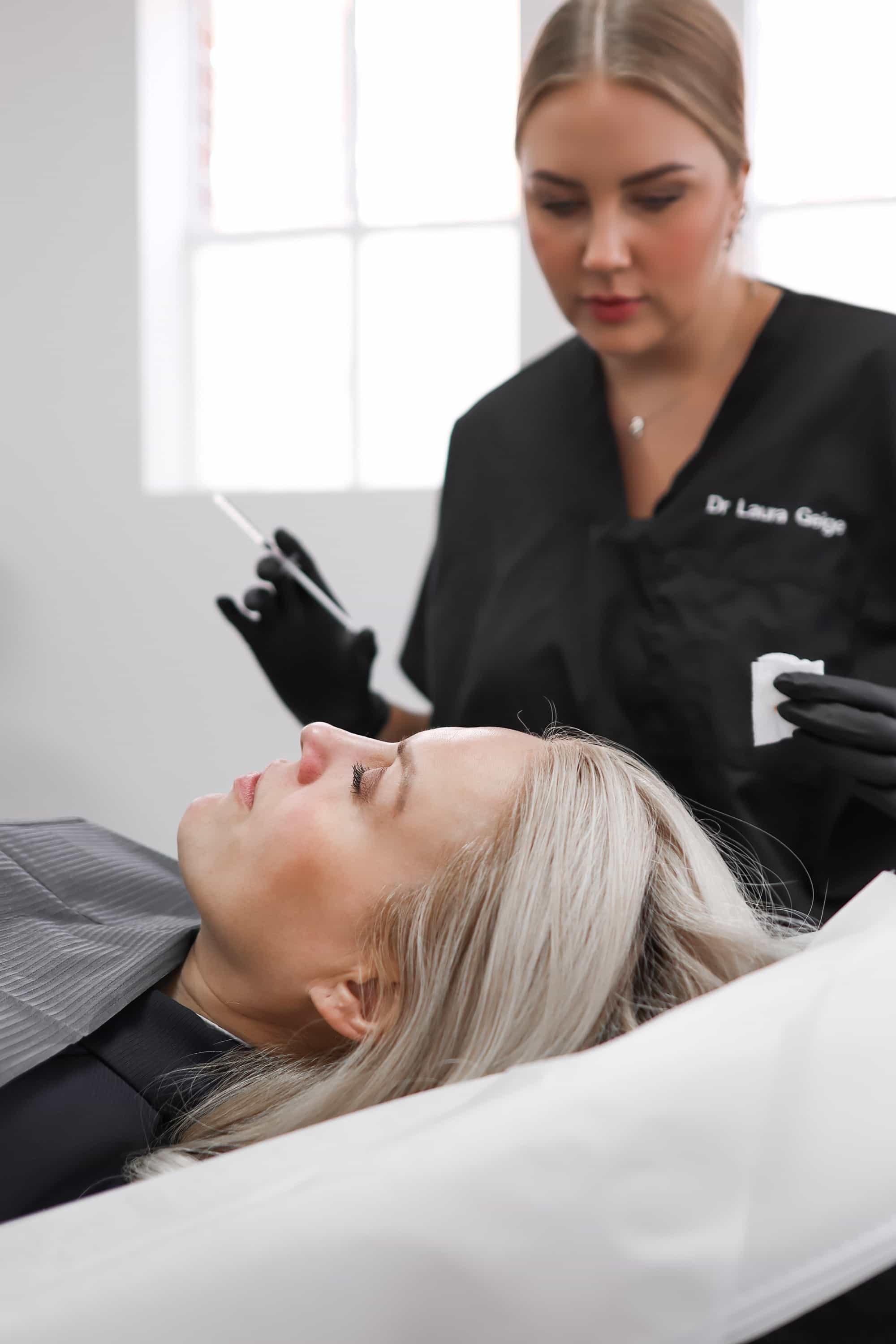
Dr Laura Geige
Medical Director and Senior Aesthetics Practitioner at It’s Me & You Clinic, with a background in dentistry, medical aesthetics and cosmetic dermatology.
Read professional profile
Dr Rimas Geiga
Medical doctor with a special interest in nutritional sciences, dietology, metabolic health and evidence based preventative care.
Read professional profile
Dr Snieguole Geige
Dentist and medical doctor with experience across healthcare, preventative medicine and patient centred clinical standards.
Read professional profile
Dr Giedre Narkiene
Medical doctor and board certified dermatologist with expertise in medical and cosmetic dermatology, skin health and patient safety.
Read professional profile
Dr Veronika Matutyte
Medical doctor with training and professional experience in gerontology and healthcare management across clinical and hospital settings.
Read professional profile
Livija Samušienė
Qualified cosmetologist with a Bachelor of Health Sciences in cosmetology and a professional interest in skin health, acne and evidence based aesthetic care.
Read professional profileMelanotan I UK Frequently Asked Questions
Evidence-led answers about afamelanotide, pigmentation, safety and UK approval.
What is Melanotan I?
Melanotan I is a synthetic 13-amino-acid analogue of alpha-melanocyte-stimulating hormone. It is also known as NDP-alpha-MSH and afamelanotide.
Is Melanotan I the same as afamelanotide?
Yes. The names refer to the same underlying peptide sequence. Melanotan I is the older research name, while afamelanotide is the recognised generic medicine name.
Is Melanotan I the same as Melanotan II?
No. Melanotan II is a different cyclic analogue with a different structure and receptor profile.
Is Melanotan I naturally occurring?
No. It is synthetic, although it was modelled on naturally occurring alpha-MSH.
How does Melanotan I work?
It activates melanocortin-1 receptors on melanocytes and increases intracellular signalling associated with eumelanin production.
Does Melanotan I darken the skin?
Yes. Human studies and regulated product information confirm that afamelanotide can increase eumelanin and skin pigmentation.
Is Melanotan I approved in the UK?
Afamelanotide is authorised in the regulated Scenesse implant for preventing phototoxicity in adults with erythropoietic protoporphyria.
Is it approved as a cosmetic tanning treatment?
No. It is not authorised as a general tanning injection, nasal product or cosmetic peptide.
What is Scenesse?
Scenesse is a controlled-release implant containing afamelanotide. It is intended for specialist use in adults with EPP.
What is erythropoietic protoporphyria?
EPP is a rare inherited disorder that causes severe painful phototoxic reactions after exposure to light.
Is afamelanotide routinely funded by the NHS?
NICE does not recommend afamelanotide for routine NHS use in England. This funding decision is separate from its marketing authorisation.
Has Melanotan I been studied in humans?
Yes. Human research includes small early pigmentation studies and larger regulated trials in erythropoietic protoporphyria.
Is afamelanotide approved for vitiligo?
No. Vitiligo remains an investigational use despite preliminary human research.
What side effects have been reported?
Headache, nausea, skin darkening and implant-site reactions are among the commonly reported effects. Less common hypersensitivity reactions and systemic symptoms have also been described.
Can Melanotan I darken moles?
Existing pigmented lesions may become darker. Regular skin examinations are recommended during regulated afamelanotide treatment.
Does Melanotan I cause melanoma?
Current evidence does not establish that afamelanotide causes melanoma. However, pigmentary changes require appropriate monitoring and the peptide should not be claimed to prevent melanoma.
Does a Melanotan I tan replace sunscreen?
No. Increased eumelanin does not make ultraviolet exposure harmless or remove the need for appropriate sun protection.
What does “research use only” mean?
It indicates that the product is not being presented as an approved personal-use medicine. It does not prove identity, purity, sterility or legal compliance.
Are online Melanotan I products equivalent to Scenesse?
No equivalence should be assumed. They may differ in identity, concentration, sterility, stability, formulation and release profile.
Is Melanotan I legal to buy in the UK?
Classification depends on the product’s claims, presentation, intended purpose and supply arrangements. Unauthorised medicinal products are subject to UK medicines restrictions.
Does this article provide administration instructions?
No. This article does not provide dosing, injection, implant, nasal administration, reconstitution or self-use instructions.
Key Takeaways
- Melanotan I is the historical research name for afamelanotide.
- It is a modified analogue of natural alpha-MSH.
- Its principal demonstrated action is MC1R activation and increased eumelanin production.
- A regulated afamelanotide implant is authorised for adults with EPP.
- The approval does not cover elective tanning, vitiligo or online research products.
- Early pigmentation trials were very small.
- Vitiligo research remains preliminary and investigational.
- Headache, nausea, pigmentary changes and implant-site reactions have been reported.
- Online Melanotan I products should not be treated as equivalent to Scenesse.
- Increased pigmentation does not replace established sun protection.
Relevant It’s Me & You Clinic Resources
Explore the clinic’s evidence-based approach to skin health and patient safety.
Dr Giedre Narkiene
Learn more about the clinic’s dermatology adviser and her professional focus on skin health and evidence-based dermatology.
View Dr Giedre Narkiene’s profileDr Laura Geige
Explore Dr Laura Geige’s approach to patient safety, aesthetic medicine and natural-looking outcomes.
View Dr Laura Geige’s profileIt’s Me & You Clinic
Explore the clinic’s doctor-led skin and aesthetic consultation approach.
Visit It’s Me & You ClinicResearch Peptides UK
Browse the wider educational series on peptide science, research evidence and UK regulation.
Browse the peptide education libraryReferences
- European Medicines Agency. Scenesse European Public Assessment Report. EMA medicine record
- European Medicines Agency. Scenesse 16 mg implant: Summary of Product Characteristics. Official product information
- European Medicines Agency. Assessment report for afamelanotide. EMA assessment report
- National Institute for Health and Care Excellence. Afamelanotide for treating erythropoietic protoporphyria. Highly specialised technologies guidance HST27. NICE guidance
- Langendonk JG, Balwani M, Anderson KE, et al. Afamelanotide for erythropoietic protoporphyria. New England Journal of Medicine. 2015;373:48–59. doi:10.1056/NEJMoa1411481. PubMed record
- Ugwu SO, Blanchard J, Dorr RT, et al. Skin pigmentation and pharmacokinetics of melanotan-I in humans. Biopharmaceutics & Drug Disposition. 1997;18(3):259–269. PubMed record
- Dorr RT, Dvorakova K, Brooks C, et al. Increased eumelanin expression and tanning induced by NDP-alpha-MSH in humans. Photochemistry and Photobiology. 2000;72(4):526–532. PubMed record
- Lim HW, Grimes PE, Agbai O, et al. Afamelanotide and narrowband UV-B phototherapy for vitiligo. JAMA Dermatology. 2015;151(1):42–50. PubMed record
- Jiang J, Sharma SD, Nakamura S, et al. Effects of NDP-alpha-MSH in human melanoma cell systems. Pigment Cell Research. 1995;8(6):314–323. PubMed record
- PubChem. Melanotan I compound record, CID 16164658. PubChem record
- ClinicalTrials.gov. Afamelanotide and narrowband UVB research in vitiligo. Trial record
- ClinicalTrials.gov. Afamelanotide repigmentation research in vitiligo. Trial record
- HMA-EMA Catalogues. Post-authorisation disease registry safety study of Scenesse in erythropoietic protoporphyria. Registry record