





Botox For Teeth Grinding: Understanding Bruxism And Treatment Options In London, Surrey And Kingston Upon Thames

Botox For Teeth Grinding: Understanding Bruxism And Treatment Options In London, Surrey And Kingston Upon Thames
Teeth grinding, also known as bruxism, is a common condition that affects millions of people worldwide. Patients researching Botox for teeth grinding are often looking for information about jaw tension, facial discomfort, clenching habits and the potential treatment options that may be discussed during a professional consultation.
Bruxism can occur during the day or while sleeping and may affect people of all ages. Many individuals are unaware they grind or clench their teeth until symptoms develop or a dental professional identifies signs of excessive wear. As awareness of jaw related concerns continues to grow across London, Surrey and Kingston Upon Thames, increasing numbers of patients are seeking information about both the causes of teeth grinding and the treatment approaches that may be available.
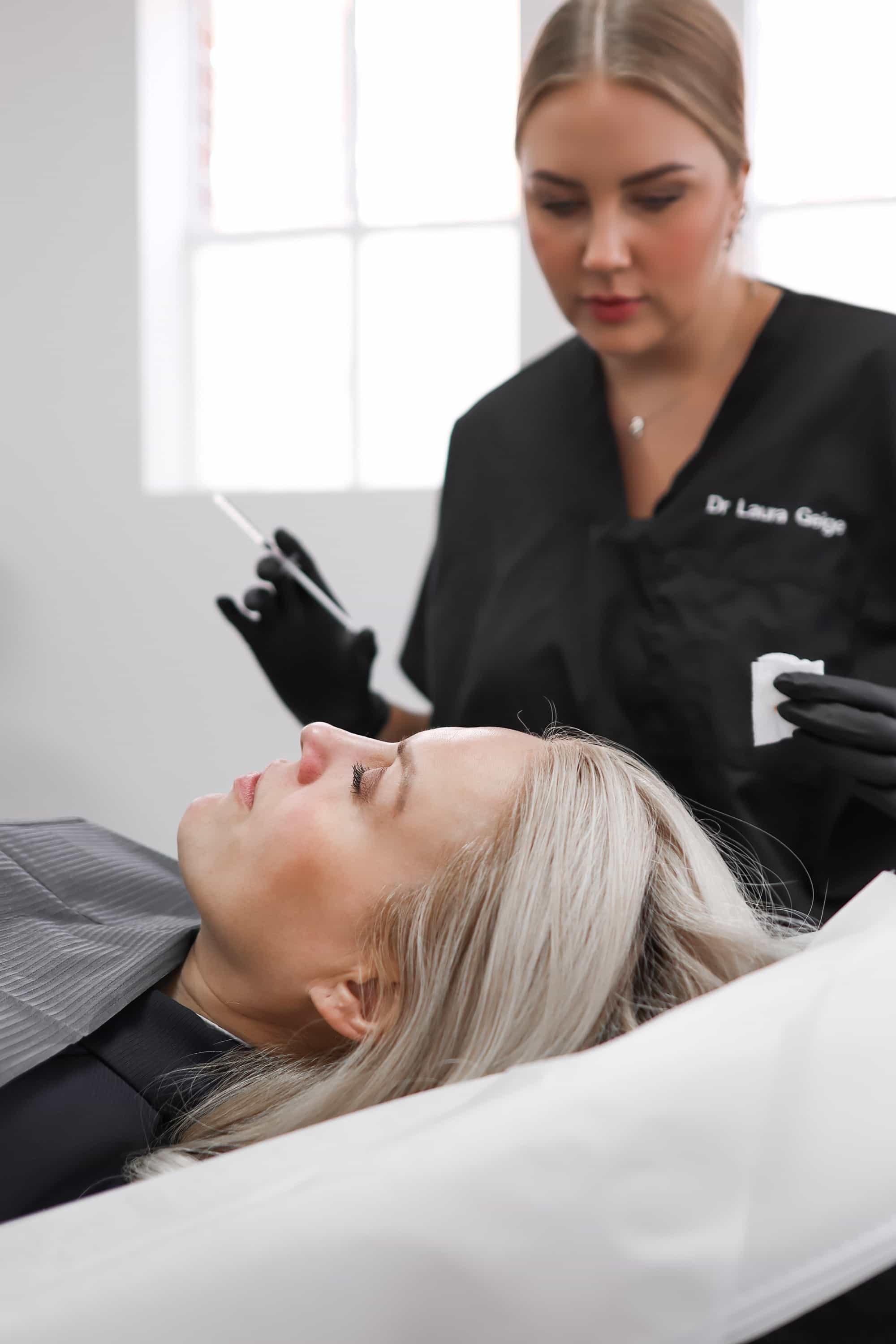
As Botox is a prescription only medicine in the United Kingdom, any discussion regarding treatment suitability requires a consultation with an appropriately qualified prescriber. This article is intended for educational purposes and explores teeth grinding, jaw clenching, the role of the masseter muscles and the treatment options that may be discussed during a clinical assessment.
What Is Teeth Grinding?
Teeth grinding, also known as bruxism, refers to repetitive clenching, grinding or tightening of the jaw muscles.
The condition may occur:
-
During sleep
-
While awake
-
During periods of concentration
-
During stressful situations
-
Without conscious awareness
Some individuals experience only occasional episodes, while others develop persistent symptoms that affect their quality of life.
What Causes Teeth Grinding?
The exact cause of bruxism is not always clear.
Research suggests multiple factors may contribute, including:
Stress And Anxiety
Emotional stress is commonly associated with jaw clenching and grinding behaviours.
Sleep Related Factors
Some forms of bruxism occur during sleep and may be associated with sleep disturbances.
Bite Changes
Dental alignment and bite issues may contribute in some cases.
Lifestyle Factors
Certain lifestyle habits may influence jaw muscle activity.
Medical Conditions
Some medical conditions may be associated with increased jaw tension.
Because bruxism has multiple potential causes, comprehensive assessment is important.
What Are The Symptoms Of Teeth Grinding?
Symptoms vary between individuals.
Commonly reported concerns include:
-
Jaw tension
-
Facial discomfort
-
Headaches
-
Tooth wear
-
Jaw fatigue
-
Tight jaw muscles
-
Morning jaw soreness
-
Clicking or popping of the jaw
Some people experience no symptoms at all and only discover they grind their teeth during a dental examination.
Understanding The Masseter Muscle
The masseter muscle is one of the strongest muscles involved in chewing.
Located at the sides of the jaw, it plays an important role in:
-
Biting
-
Chewing
-
Jaw movement
-
Clenching activities
Patients who grind or clench their teeth may sometimes develop more prominent masseter muscles over time.
This is one reason why bruxism is often discussed during facial aesthetics and jaw assessments.
Why Do Patients Research Botox For Teeth Grinding?
Many individuals researching treatment options are seeking information about ways to manage:
-
Jaw tension
-
Clenching habits
-
Facial discomfort
-
Muscle activity
-
Jaw related symptoms
The relationship between the masseter muscles and bruxism has led to growing interest in the role these muscles may play in treatment discussions.
However, suitability can only be assessed through professional consultation.
How Is Teeth Grinding Diagnosed?
Diagnosis often involves assessment by an appropriately qualified healthcare professional.
Evaluation may include:
Medical History
Understanding symptoms and contributing factors.
Dental Examination
Assessment of tooth wear and oral health.
Jaw Assessment
Evaluation of jaw movement and muscle activity.
Symptom Review
Discussion of headaches, discomfort and related concerns.
Because symptoms can overlap with other conditions, accurate diagnosis is important.
What Treatment Options May Be Discussed For Teeth Grinding?
Treatment recommendations vary according to the individual and the underlying cause.
Approaches that may be discussed include:
Dental Appliances
Some patients are advised to consider protective devices such as night guards.
Stress Management
Stress reduction strategies may be explored where appropriate.
Sleep Assessment
Sleep related factors may require further investigation.
Lifestyle Adjustments
Behavioural modifications may help reduce clenching habits.
Medical Consultation
In some cases, referral to an appropriate healthcare professional may be recommended.
The most appropriate approach depends on the individual patient's circumstances.
Can Teeth Grinding Affect Facial Appearance?
Some patients are surprised to learn that prolonged clenching activity may influence the appearance of the lower face.
This is because muscle development can affect:
-
Jaw width
-
Facial proportions
-
Lower face contours
However, facial appearance is influenced by numerous factors including genetics, bone structure and ageing.
Teeth Grinding And Jaw Tension
Many patients seeking information about bruxism are primarily concerned about persistent jaw tension.
Commonly reported issues include:
-
Tight jaw muscles
-
Facial fatigue
-
Discomfort when chewing
-
Morning jaw stiffness
Because these symptoms can have multiple causes, professional assessment remains important.
Why Consultation Matters
No two patients experience bruxism in exactly the same way.
Factors influencing assessment include:
-
Symptom severity
-
Medical history
-
Dental health
-
Jaw anatomy
-
Lifestyle factors
-
Sleep habits
A comprehensive consultation allows these factors to be explored in detail.
Why Patients In London And Surrey Seek Doctor Led Consultations For Jaw Concerns
Patients researching teeth grinding increasingly seek doctor led clinics and healthcare professionals who prioritise education, safety and personalised care.
A professional consultation can help patients:
-
Understand potential causes
-
Discuss symptoms
-
Explore treatment options
-
Receive appropriate referrals
-
Develop realistic expectations
This educational approach supports informed decision making and comprehensive patient care.
Doctor Led Skin Clinic In Kingston Upon Thames Serving Surrey And London
Located within Siddeley House in Kingston Upon Thames, It's Me & You Skin Clinic provides doctor led consultations for patients throughout Surrey and South West London.
We regularly welcome patients from:
-
Kingston Upon Thames
-
Richmond
-
Wimbledon
-
Twickenham
-
Surbiton
-
Esher
-
Cobham
-
Weybridge
-
Chelsea
-
Kensington
Our clinic is situated within a beautifully restored former World War Two aircraft factory and is conveniently located a short walk from Kingston Upon Thames Railway Station and close to the Bentall Centre.
Patients appreciate our discreet environment, excellent transport connections and convenient access from across Surrey and London.
Why Choose It's Me & You Skin Clinic?
Patients choose our doctor led clinic because of our commitment to:
-
Comprehensive consultations
-
Evidence based care
-
Personalised assessments
-
Patient education
-
High clinical standards
-
Privacy and discretion
-
Professional guidance
-
Exceptional patient experience
Founded by Dr Laura Geige, who holds a Level 7 qualification in Aesthetic Medicine and serves as a clinical trainer at Harley Academy, the clinic focuses on helping patients make informed decisions regarding facial aesthetics and overall wellbeing.
Frequently Asked Questions
What is teeth grinding?
Teeth grinding, also known as bruxism, involves repetitive clenching or grinding of the teeth and jaw muscles.
What causes bruxism?
Potential contributing factors include stress, sleep related issues, lifestyle habits and other medical or dental considerations.
Can teeth grinding affect the jaw muscles?
Yes. The masseter muscles are heavily involved in chewing and clenching activities.
Is teeth grinding common?
Bruxism is a common condition that affects many people, often without them being aware of it.
How is teeth grinding diagnosed?
Diagnosis typically involves professional assessment, symptom review and examination by an appropriately qualified healthcare professional.
Where can I find a doctor led consultation in Kingston Upon Thames?
Patients seeking professional consultations in Kingston Upon Thames often look for clinics that prioritise patient safety, education and personalised care.
About It's Me & You Skin Clinic
It's Me & You Skin Clinic is a doctor led skin clinic and aesthetics clinic in Kingston Upon Thames serving patients throughout Surrey and London. The clinic specialises in facial aesthetics, anti wrinkle consultations, dermal fillers, skin boosters, microneedling and personalised aesthetic assessments delivered through an evidence based and patient centred approach to care.