


Botox in Your 40s – Softening Established Lines
The forties are a decade marked by meaningful changes in facial structure, skin texture and expression patterns. For many adults, this is the first time that expression lines which were once temporary begin to appear more consistently at rest. These are known as established static lines, and they often prompt people to explore how Botox may soften them. At It’s Me and You Clinic in Kingston Upon Thames, Surrey, London, our doctors frequently see individuals seeking information about how movement, ageing and anatomy interact in midlife. This article provides an educational overview of how the forties influence facial lines and why Botox discussions become more common during this decade. Botox is a prescription only medicine and this content is purely informational.
The forties sit at a unique crossroads. Skin biology continues to shift gradually as collagen production decreases and hydration levels fluctuate. Behavioural habits established over decades, such as frowning, raising the eyebrows or squinting, often become more etched into the skin. At the same time, deeper structural changes such as early volume redistribution in the mid face begin to influence how lines appear. Understanding these changes helps individuals make informed decisions about whether softening certain movement patterns could align with their goals. For broader context, readers may also explore the articles Botox by age, Botox in your thirties or Botox in your fifties.
Why Botox Questions Increase in Your Forties
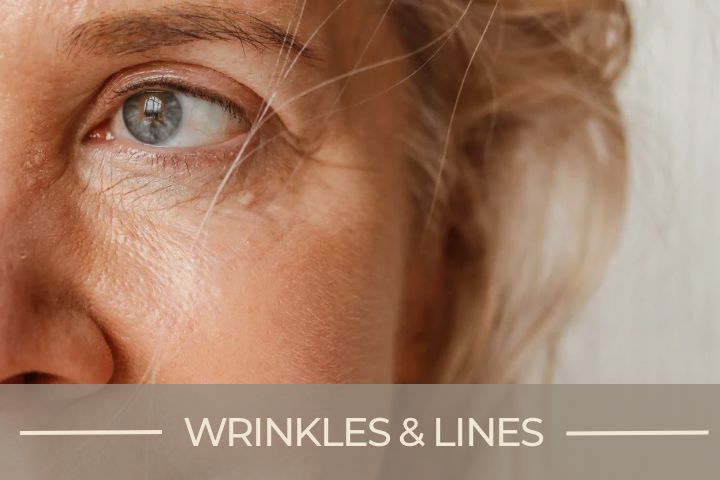
In the forties, many people notice deeper static lines in areas that once only creased during movement. This is partly due to muscle activity but also because of broader changes in the skin and underlying tissues. Collagen loss accelerates slightly, making the dermal layer thinner. Even if movement habits remain unchanged, lines may start to appear more pronounced.
Dr Laura Geige explains, “The forties are when we see the cumulative impact of expression patterns. Lines that developed slowly over years become more visible. This does not indicate rapid ageing, it simply reflects how skin behaves when elasticity shifts.”
Adults in this decade often research Botox for the following reasons:
- Softening deeper expression lines that appear harsh or tired.
- Improving facial refreshment by reducing the intensity of frown or forehead movement.
- Supporting facial balance where muscle dominance becomes more noticeable due to tissue changes.
These concerns relate to expression, not age. Many forty year olds maintain youthful features with minimal lines, while others develop deeper creases earlier due to genetics or lifestyle.
How Collagen and Elastin Change in Your Forties
The structure of the skin evolves gradually with age. In the forties, collagen and elastin production slow further, leading to reduced firmness. This means the skin does not rebound as quickly from movement, allowing lines to persist longer. Hydration levels may also fluctuate, creating days where lines appear more noticeable.
Dr Giedre Narkiene notes, “One of the biggest misconceptions is that lines in the forties appear suddenly. They are the long term result of expression, lifestyle and genetic tendencies. When collagen decreases, these lines become more evident.”
Common areas where static lines deepen include:
- Horizontal forehead lines.
- Glabellar frown lines.
- Crow’s feet around the eyes.
- Bunny lines on the sides of the nose.
Understanding the anatomy of these areas through pages such as crow’s feet and bunny lines can help individuals visualise why they change over time.
Volume Redistribution and How It Affects Lines
Facial volume naturally shifts as we age. Some fat pads descend slightly, especially in the mid face. This can cast shadows or subtly pull on surrounding tissue, making expression lines appear deeper. The lines themselves are not necessarily worse, but the surrounding structural changes may make them more visible.
Dr Rimas Geiga explains, “Volume changes influence how lines present. Even if muscle activity stays the same, shifting support structures can create the impression of deeper creasing. This is why midlife assessments look at the whole face, not just lines.”
Educational resources such as skin injectables can provide useful anatomical context on how various tissues interact.
Expression Patterns Become More Defined
By the forties, decades of habitual expressions create more predictable patterns. People who raise their eyebrows when speaking often develop more prominent horizontal forehead lines. Those who frown while concentrating may see deeper glabellar folds. Individuals with strong orbicularis activity may develop more pronounced crow’s feet.
Botox in this decade is often discussed in terms of softening these established patterns rather than preventing new lines, which is a concept explored more frequently in younger age groups.
Understanding How Botox Behaves in the Forties
Botox temporarily reduces muscle activity, making expression lines less intense. In the forties, reducing strong movement allows deeper lines to appear softer. However, it is important to understand that Botox does not remove lines. Static lines caused by collagen loss and long term expression remain visible, although they may appear less harsh due to reduced muscle pull.
Educational pages such as brow lift anatomy and upper face treatment concepts provide further insight into how these muscles interact with skin.
Botox Limitations in Your Forties
Botox can soften dynamic lines and reduce movement driven creases, but it does not address:
- Loss of volume.
- Skin texture changes.
- Pigmentation or sun damage.
- Deeper folds that involve structural support, not just muscle movement.
For these concerns, some individuals explore complementary treatments such as those found on the educational page skin treatments. These focus on hydration, resurfacing or collagen stimulation, which target different ageing pathways than Botox.
Why Botox Is Often Described as Softening in This Decade
Unlike in the twenties, where Botox may be used to moderate expressive habits, or the thirties, where it may help maintain smoothness, Botox in the forties is primarily associated with softening. This reflects the fact that lines have already formed and the skin has begun to lose elasticity.
Dr Snieguole Geige explains, “In the forties we are not trying to prevent lines but to soften existing movement. The key is finding a balance where the face still looks natural and expressive while creating a more refreshed appearance.”
Common Areas of Focus in the Forties
Adults in this decade frequently enquire about:
- Forehead lines that remain visible even when resting.
- Glabellar frown lines that give a tired or tense appearance.
- Crow’s feet that appear deeper during smiling.
- Bunny lines that accentuate mid face movement.
- Anatomical concerns such as downward pulling of the brows.
These areas often show change more rapidly than others because the muscles involved are strong and active.
Skin Quality Becomes More Important
By the forties, many individuals notice that changes in texture and tone affect how lines appear. Dryness, dullness or decreased elasticity can make creases more visible. Because Botox does not address skin quality, people often combine educational consultations about muscle modulation with broader research into skin support.
Resources such as skin treatments and Alluzience information may help individuals learn about the differences between various options.
Genetics and Ageing Patterns Become Clearer
In the forties, genetic tendencies become more apparent. Some people naturally show minimal lines, while others develop deeper creases regardless of lifestyle. Thin skin, strong muscles or inherited expression habits can contribute to more prominent lines.
Dr Carol Mastropierro emphasises, “Ageing should never be judged by comparison. Genetic factors shape how quickly or slowly lines appear. The forties simply reveal patterns that have been forming for decades.”
The Emotional Context of Lines in the Forties
Lines in this decade often carry emotional weight because they may be perceived as expressions of stress or fatigue. Many people report that deeper frown lines make them look worried even when relaxed. Others find that pronounced forehead lines give a stern appearance.
The interest in Botox during this decade is therefore often tied to expression correction rather than anti ageing.
The Role of Stress and Lifestyle
The forties are commonly associated with professional responsibilities, family commitments and increased stress. Stress can intensify muscle activity, particularly in the glabella, jaw and chin. Chronic tension may lead to deeper creasing.
Anatomical resources such as dimpled chin and jaw muscle behaviour help explain how stress related tension develops over time.
How Doctors Evaluate Suitability in Your Forties
Assessing Botox suitability involves considering:
- Movement patterns and muscle dominance.
- Depth of static lines.
- Skin quality and elasticity.
- Facial volume changes.
- Desired naturalness of expression.
- Relevant medical history.
Dr Tautvydas Sutkus points out, “Suitability is not about reversing age but understanding whether softening movement will create realistic and balanced changes. Every face in the forties tells a unique story, and assessments must reflect that.”
Balancing Movement and Natural Expression
Adults in their forties often prefer natural results that maintain expressiveness. Achieving this requires careful adjustment of specific muscle groups, particularly in the forehead and glabella. Over reduction of movement can create an unnatural appearance, while under treatment may not soften lines sufficiently.
The goal is balance rather than complete movement restriction.
Complementary Approaches Often Considered in This Decade
Because ageing in the forties becomes multidimensional, many individuals explore additional treatments that address other layers of facial change. These may include hydration based skin treatments, textural resurfacing or volume support. Such approaches do not replace Botox but complement it by targeting separate ageing mechanisms.
Readers may find it helpful to explore skin treatments for a broader understanding of these options.
The Relationship Between the Forties and Later Decades
The forties set the stage for changes that may become more evident in the fifties and sixties. This does not mean ageing accelerates but simply that earlier patterns become clearer. Understanding how lines behave in this decade can help individuals make informed decisions as they move into later stages of life.
For extended reading, the article Botox in your fifties and beyond explores how deeper structural changes influence expression lines further.
Summary
The forties represent a time where lines become more established and facial patterns more defined. Botox in your forties is often explored to soften expression lines, balance movement and create a more relaxed appearance. This article is purely educational and not promotional. Botox is a prescription only medicine and suitability can only be determined through a regulated medical assessment. The content here aims to help readers understand how biological, lifestyle and genetic factors influence facial changes in this decade.